
Last updated on 2026-05-14
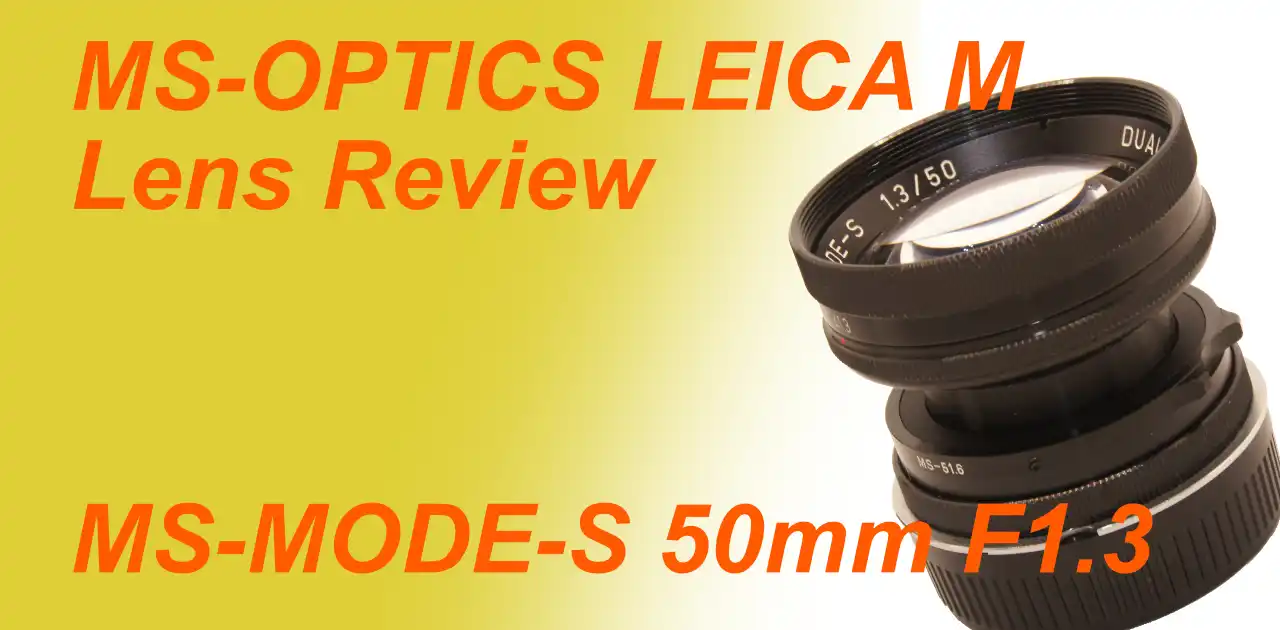
A review and sample photos of the MS-MODE-S 50mm F1.3 lens, manufactured by MS-OPTICS and released in 2006, used with the LEICA M8.2, LEICA M9, LEICA M10, HASSELBLAD X2D-100C, and SONY α NEX-7.
- Please see the disclaimer regarding advertising here.
- Italicized links in the text are advertisement links that take you to other sites.
- If you find any images used on this site problematic, please contact us via the comments or inquiry form, either as the rights holder or their representative. We will review the matter and take appropriate action.
Table of contents

Gallery
The following cameras were used to take the example photos.
- HASSELBLAD X2D-100C
- LEICA M8.2
- LEICA M9
- LEICA M10
- SONY α NEX-7
Review
1.Overview
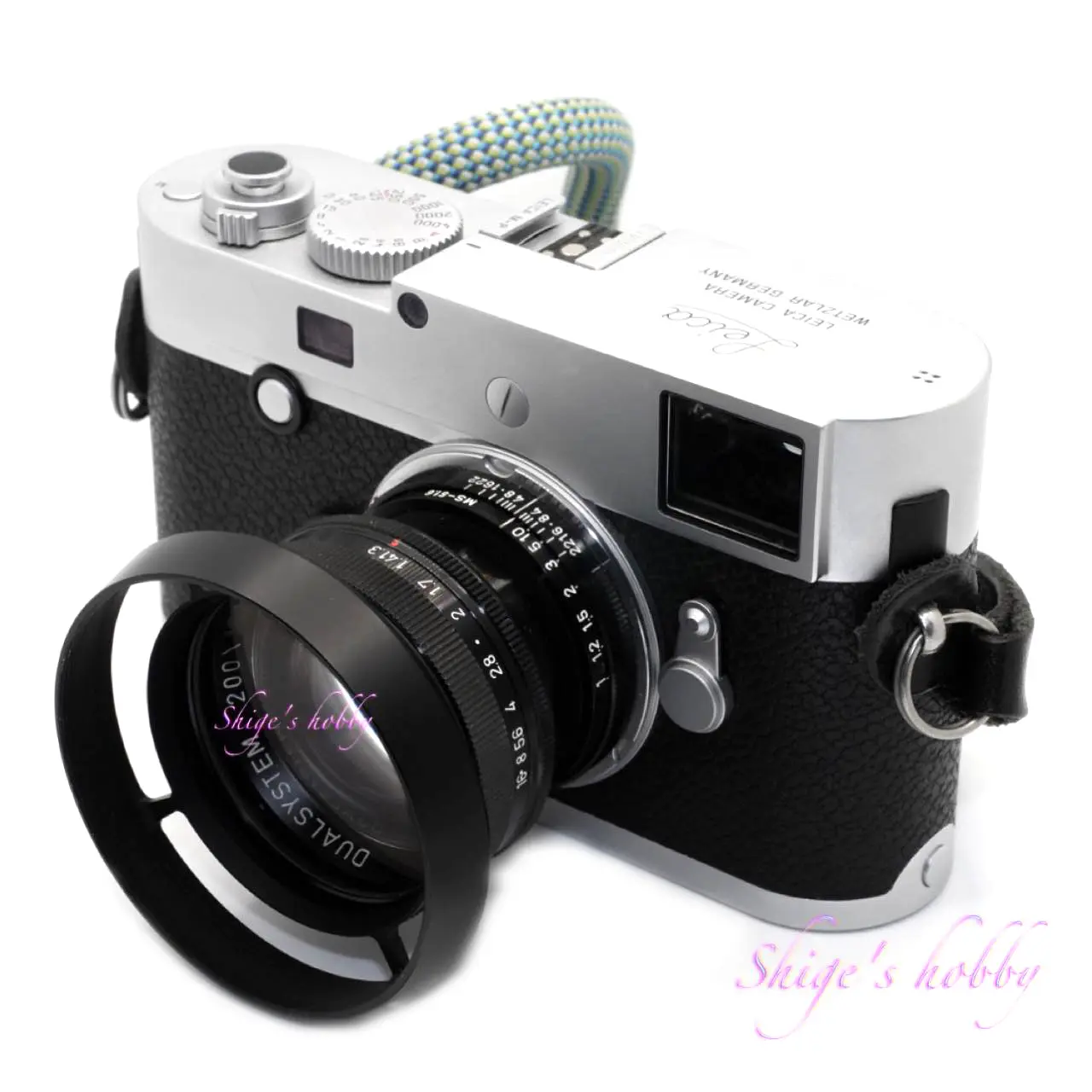
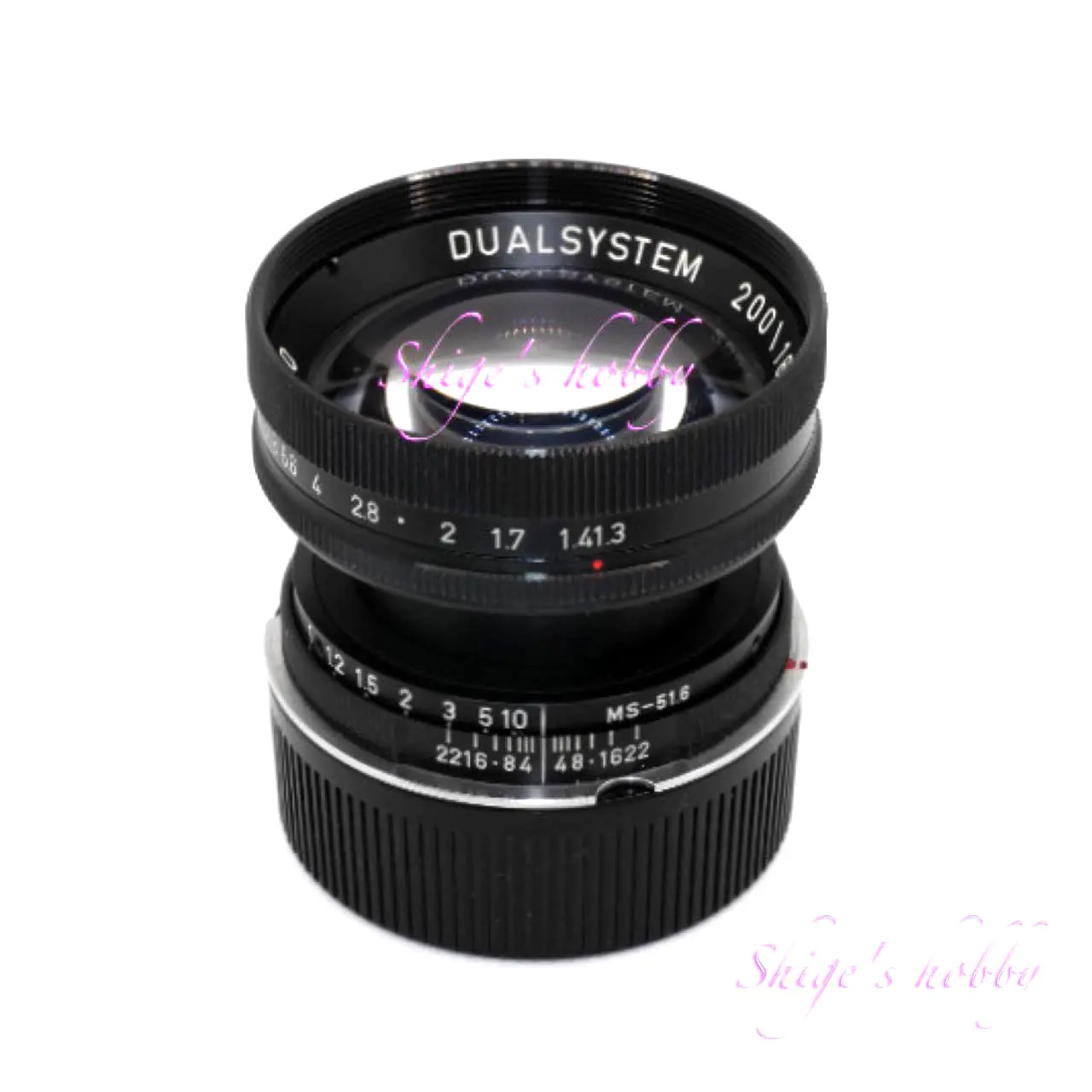
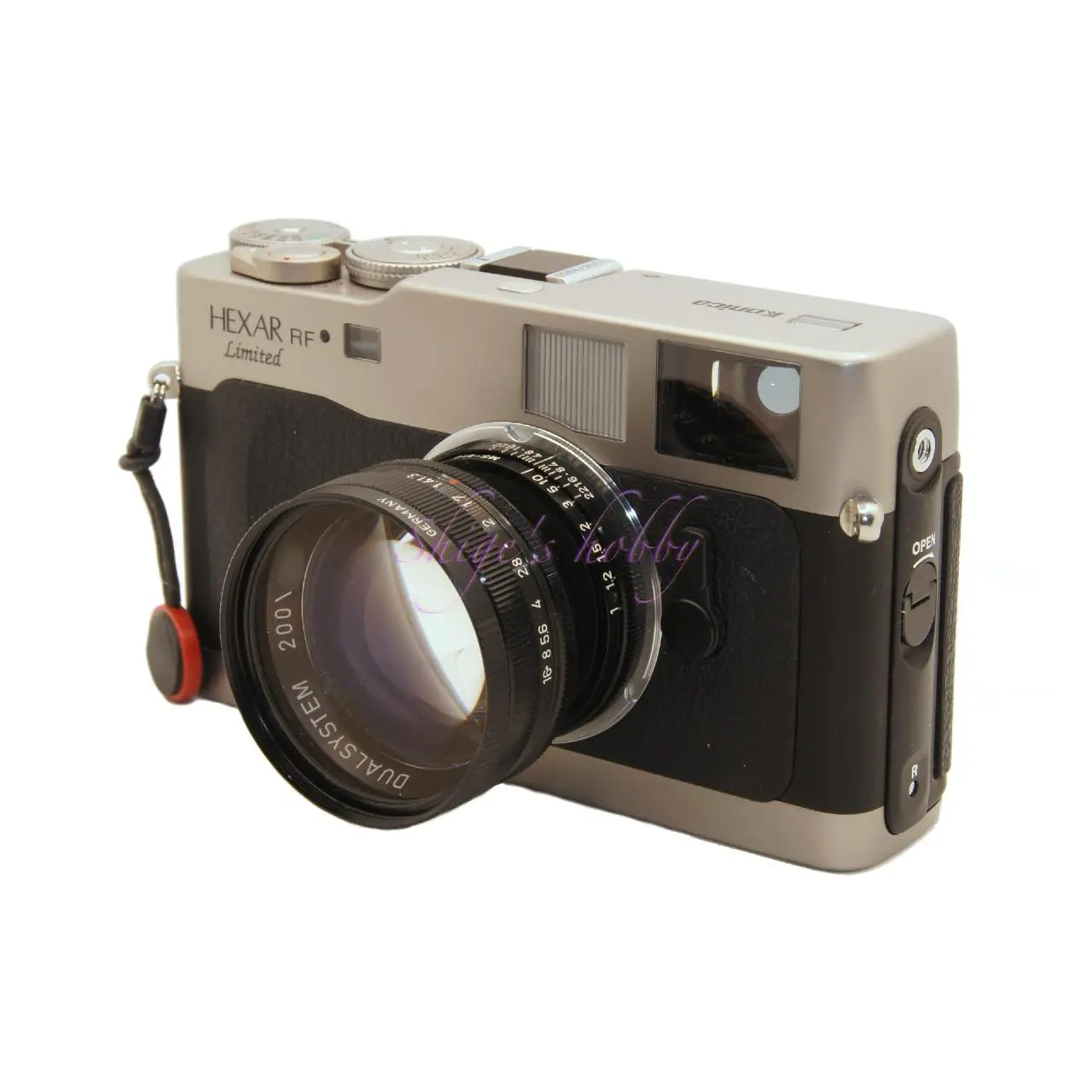
The MS-Mode-S Dual Lens 50mm f/1.3, released in 2006 by MS-Optics (formerly Miyazaki Optical), is an original lens that adapts the Sonnar design using modern technology.
Its lens construction consists of four elements in five groups, and it has a minimum focusing distance of one meter. It couples to the rangefinder of rangefinder cameras throughout its range.
The filter diameter is 49 mm, and a dedicated screw-in slit hood is available that screws in the upright position.
The lens can be separated into two sections: the lens glass and the helicoid + mount. Two mount options were offered: L39 screw mount and Nikon S/Contax C mount. The lens was sold in three forms. According to the serial numbers, a total of 200 units were manufactured, but the breakdown of the three forms is unknown.
- L39 mount version
- Nikon S and Contax C mount version
- Both mounts included version
I have the version that came with both mounts and am using it with the original L39 screw mount. I have parts for the Nikon S and Contax C mounts, but I have never used them.
The helicoid and mount section of the L39 screw mount uses the pre-made MS-51.6, which MS-Optics uses to convert commercially available 50mm lenses to an L39 or M mount.
2.Usability
As the sample images show, rendering at a wide-open aperture is characterized by a soft, gentle, slightly flared image. At around f/2.8, a refined image can be obtained across the entire frame. This characteristic perfectly embodies the ideals of Mr. Miyazaki, the MS-OPTICS lens designer.
Film Camera
The MS-MODE-S 50mm F1.3 uses the highly regarded MS-51.6 helicoid for smooth focusing. The rangefinder coupling mechanism operates accurately, allowing you to focus using the double image on rangefinder cameras without any problems.
Even with reversal film, the lens shows sufficient resolution, and the color reproduction preserves the film’s characteristics, resulting in color rendition true to the film.
Digital Rangefinder Camera:
The focusing interval is the same as that of a 35mm film camera, and accurate focusing from infinity to 0.8 meters is possible by matching the double image.
When shooting with the LEICA M8.2 digital rangefinder camera, which is equipped with a 10-megapixel APS-H size sensor, the focal length is equivalent to 67mm because the sensor size is smaller than that of 35mm film. The M8.2’s viewfinder has a 50mm frame that corresponds to 67mm. Therefore, when shooting through the viewfinder, the captured field of view is almost exactly what is seen.
Since the center of the lens is used, the image appears flatter and has a higher resolution than the results of a 35mm full-frame sensor camera. This is similar to cropping the results of a 35mm full-frame sensor camera; therefore, the impression you get is similar to viewing the image alone.
The LEICA M10 and LEICA M9 are 20-megapixel class digital cameras equipped with a 35mm full-frame sensor that can shoot with the same field of view as a 35mm film camera. Both cameras have good resolution in the center, and distortion and vignetting are not noticeable even at the edges, making them practical lenses. If flare at a wide aperture is a concern, simply stop down the aperture.
Mirrorless Cameras
The Sony α NEX-7 was the first mirrorless camera. It is equipped with a 24-megapixel APS-C size sensor (23.6 mm x 15.6 mm) and produces a 35 mm equivalent focal length of 75 mm (calculated by multiplying by a sensor size conversion factor of 1.5).
Mirrorless cameras use an electronic viewfinder or LCD monitor for shooting, so the recorded image is what you see. Therefore, you don’t need to worry about changes in focal length; simply capture what you see. The lens offers sufficient resolution, even at 24 megapixels, to fully utilize the camera’s performance. Furthermore, using a mount adapter with an auxiliary helicoid shortens the minimum focusing distance from 0.8 meters to approximately 0.5 meters, expanding creative possibilities.
When shooting with the Hasselblad X2D-100C, a mirrorless camera with a 100-megapixel, 44 mm x 33 mm medium-format digital sensor, black areas appeared on the edges due to an insufficient image circle.
After removing the unusable black areas and extracting the usable portion with a 3:2 aspect ratio, 66 million pixels (10,035 x 6,690) remained out of 100 million pixels (11,656 x 8,534), which is within a practical range.
This surpasses the 59 million pixels (9,536 x 6,206) that remain when cropping a 100-megapixel, 44-mm x 33-mm image to the 35-mm film format (36-mm x 24-mm). This indicates that the lens will not experience issues such as vignetting when used with the 35-mm film format or a 35-mm full-frame sensor.
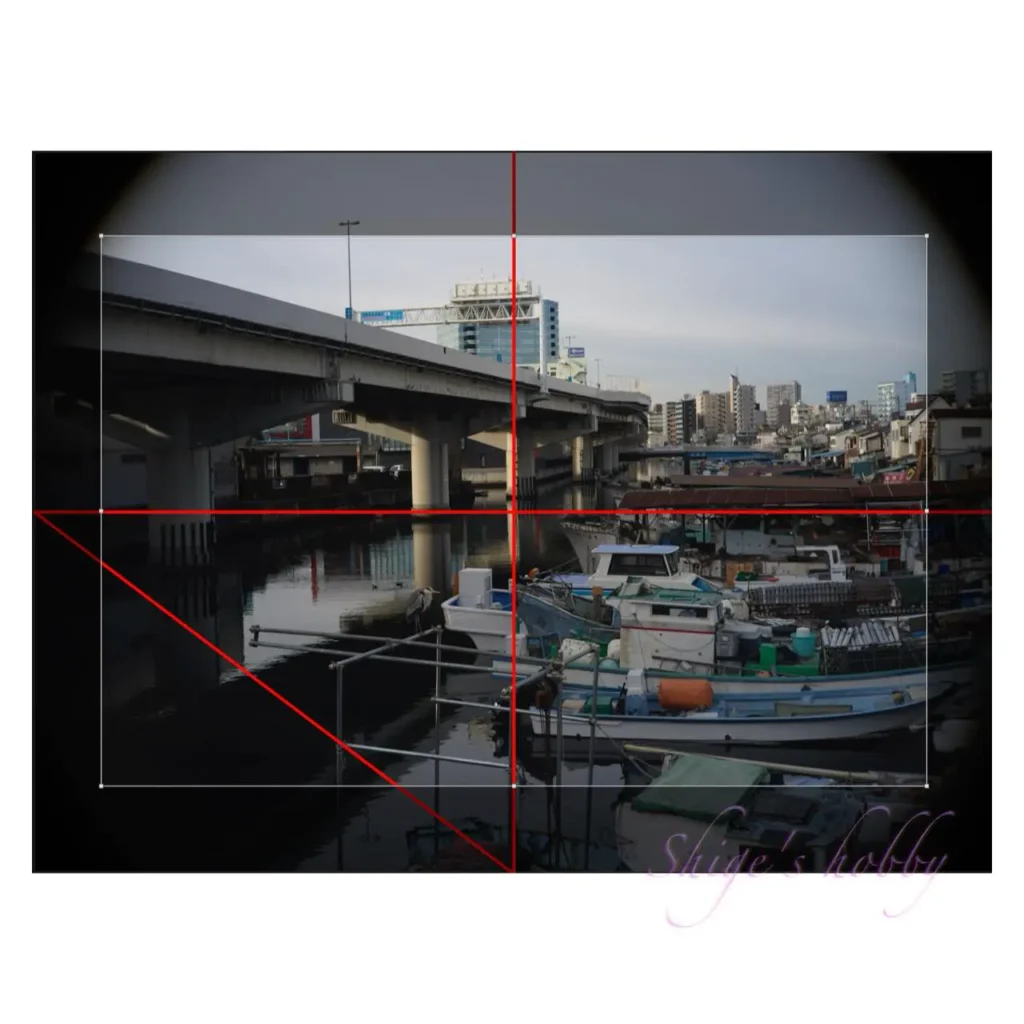
Finally, since this lens is hand-assembled, there are concerns about dust and other contaminants entering it. When I asked Mr. Miyazaki to clean it, he declined, explaining that the lens is difficult to disassemble and clean. For that reason, I still use it in the same condition as when I bought it.
3.Summary
In conclusion, to sum up the MS-MODE-S 50mm F1.3, it is a lens released during the winter period of rangefinder lenses. It was a lens released when Ms-Optics was still unknown and the manufacturing precision was not good, so there is a large difference between individual lenses. If you find a used one, it is best to check its compatibility with your camera.
The renewed SONNETAR 50mm F1.3 has the same lens configuration, but the appearance and assembly precision have been improved.
Specifications, considerations, etc.
I bought this lens at a time when the demand for rangefinder cameras was extremely low. I spotted it at a camera fair in Ginza and negotiated the price with the shopkeeper. I got it for a very reasonable price. However, times have changed, and haggling is now frowned upon. Even the Kansai dialect phrase, “How much is it?” is becoming less common.
This lens holds special memories for me because it sparked my MS-OPTICS lens collection.
Around 2006, when the MS-Mode-S was released, the L39 mount lens boom from Fujisawa Shokai and Ricoh in the early 2000s was waning. Cosina was also scaling back its rangefinder-related product lineup under the Voigtländer brand. Demand for rangefinder cameras was sluggish. This lens was relatively unknown and readily available in used camera shops near Tokyo. Later, the advent of mirrorless cameras dramatically increased demand for M/L lenses, but that’s a story for another time.
After releasing this lens, Mr. Miyazaki continued researching ways to increase the aperture of Sonnar-type lenses. In 2013, he upgraded the specifications to 50mm F1.1 and named it the “SONNETAR.”
Mr. Miyazaki repeatedly designed Sonnar-type lenses with the goal of achieving an F1.0 aperture, but he was unable to produce a satisfactory result. In 2019, therefore, he released the Gauss-type ISM-GA 50mm F1.0. Interestingly, this mirrors the history of Sonnar-type lenses, which lost prominence with the rise of Gauss-type lenses.
In addition to the Leica M-mount version, the Sonnetar series includes the Sonnetar 25mm f/1.1 for the Pentax Q. Initially, plans were made to manufacture this lens with the same specifications for Micro Four Thirds, but only a few prototypes were produced, and it never went into production. Later, using the same manufacturing parts, about 150 units were produced for the PENTAX Q, which has a smaller image circle.
The “C Sonnar 50mm f/1.5” released by Carl Zeiss has the same maximum aperture as the original and replicates its three cemented elements in the rear group. This is an homage to the past. Mr. Miyazaki of Ms-Optics designed the lens to match the original Sonnar’s performance by applying a coating to the two cemented elements in the rear group. The rear group consists of two cemented elements.
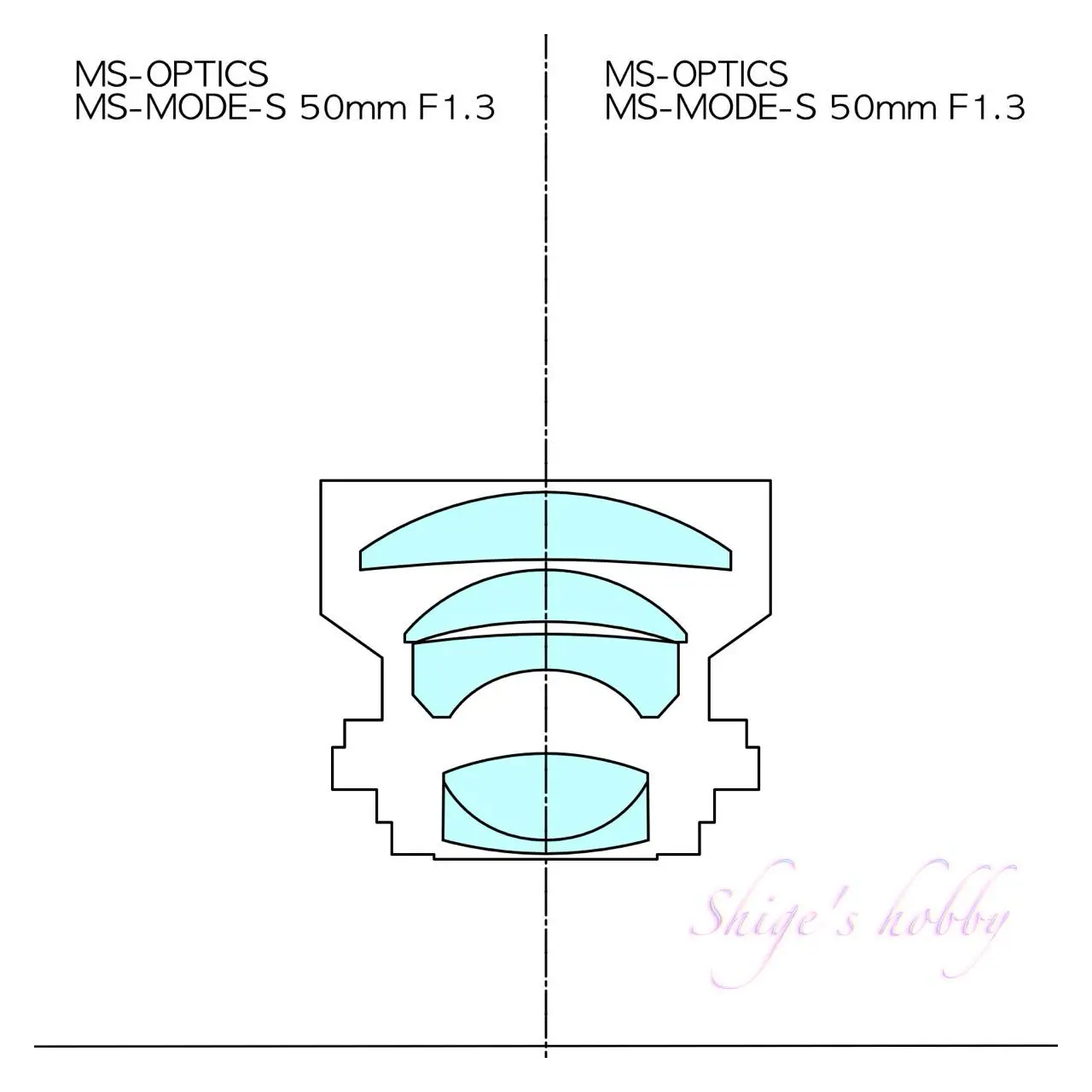
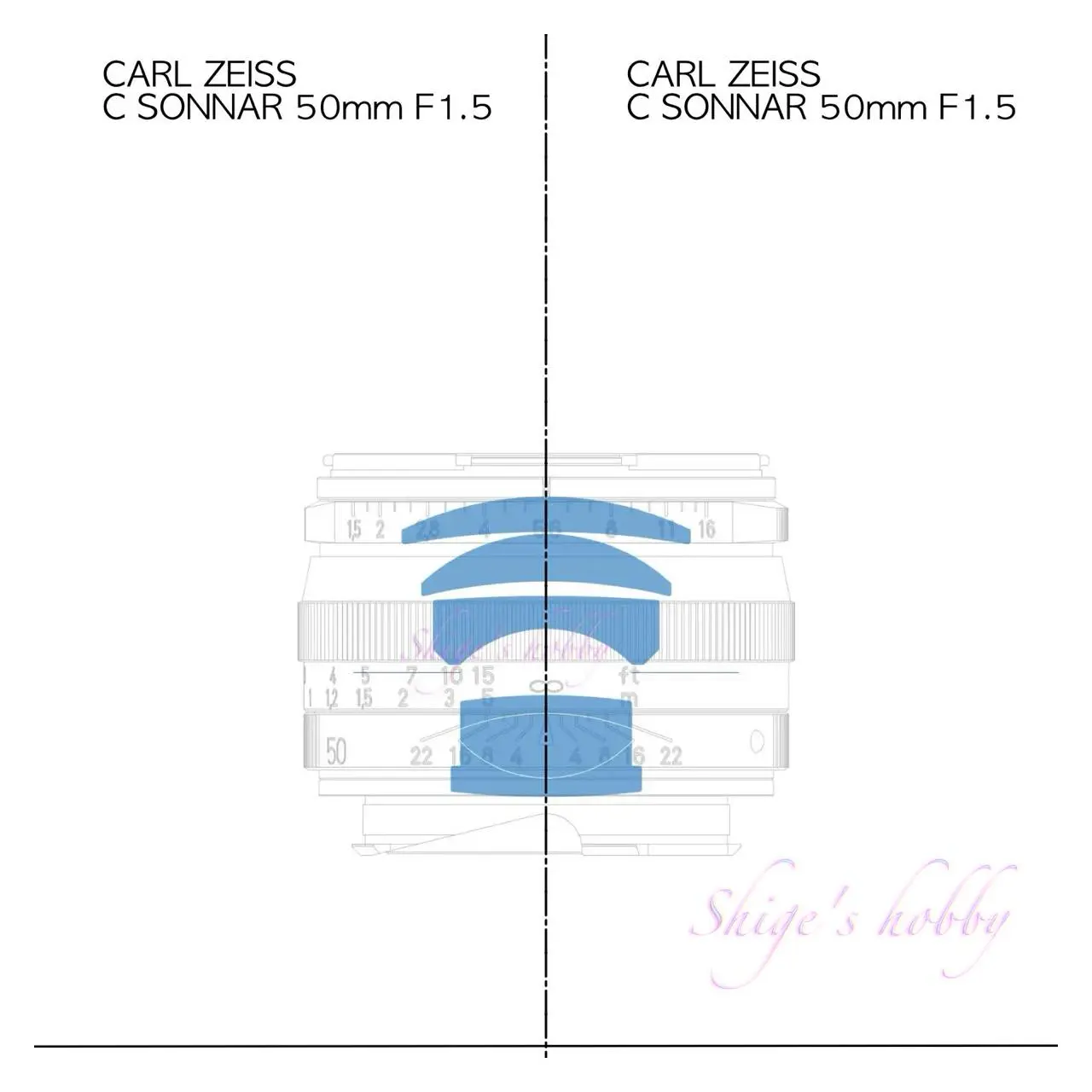
| Items | MS-Mode-S | C SONNAR |
| Manufacturer | Ms-optics | Carl Zeiss |
| Focal length(mm) | 50 | 50 |
| Max aperture | 1.3 | 1.5 |
| Min aperture | 16 | 16 |
| Apature blade | 12 | 10 |
| Lens Construction | 5elements in 4groups | 6elements in 4groups |
| Min distance(m) | 1m | 0.9 |
| Lens length(mm) | 37 | 45 |
| Lens Max diameter(mm) | 50 | 56 |
| Filter Size(mm) | 49 | 46 |
| Weight(g) | 110 | 250 |
| Release date | 2006 | 2006 |
| Price(Yen/No-tax) | ¥100,000- | ¥105,000- |
Reference links
寄付のお願い・Request for donations
Affiliate links
- Please see the disclaimer regarding advertising here.
- Italicized links in the text are advertisement links that take you to other sites.
- If you find any images used on this site problematic, please contact us via the comments or inquiry form, either as the rights holder or their representative. We will review the matter and take appropriate action.
- Leica Lens・Ads by Amazon
- Leica Books・Ads by Amazon
- Ms-optics・Ads by Amazon

Update history
- 2026.4.29
- 2025.5.16
- 2024.12.11
Be First to Comment