
Last updated on 2026-04-30
A short report on using the MS-OPTICS ELNOMAXIM 55mm F1.2 lens with the VM-E Close Focus Adapter on a SONY α NEX-7.
- Please see the disclaimer regarding advertising here.
- Italicized links in the text are advertisement links that take you to other sites.
- If you find any images used on this site problematic, please contact us via the comments or inquiry form, either as the rights holder or their representative. We will review the matter and take appropriate action.
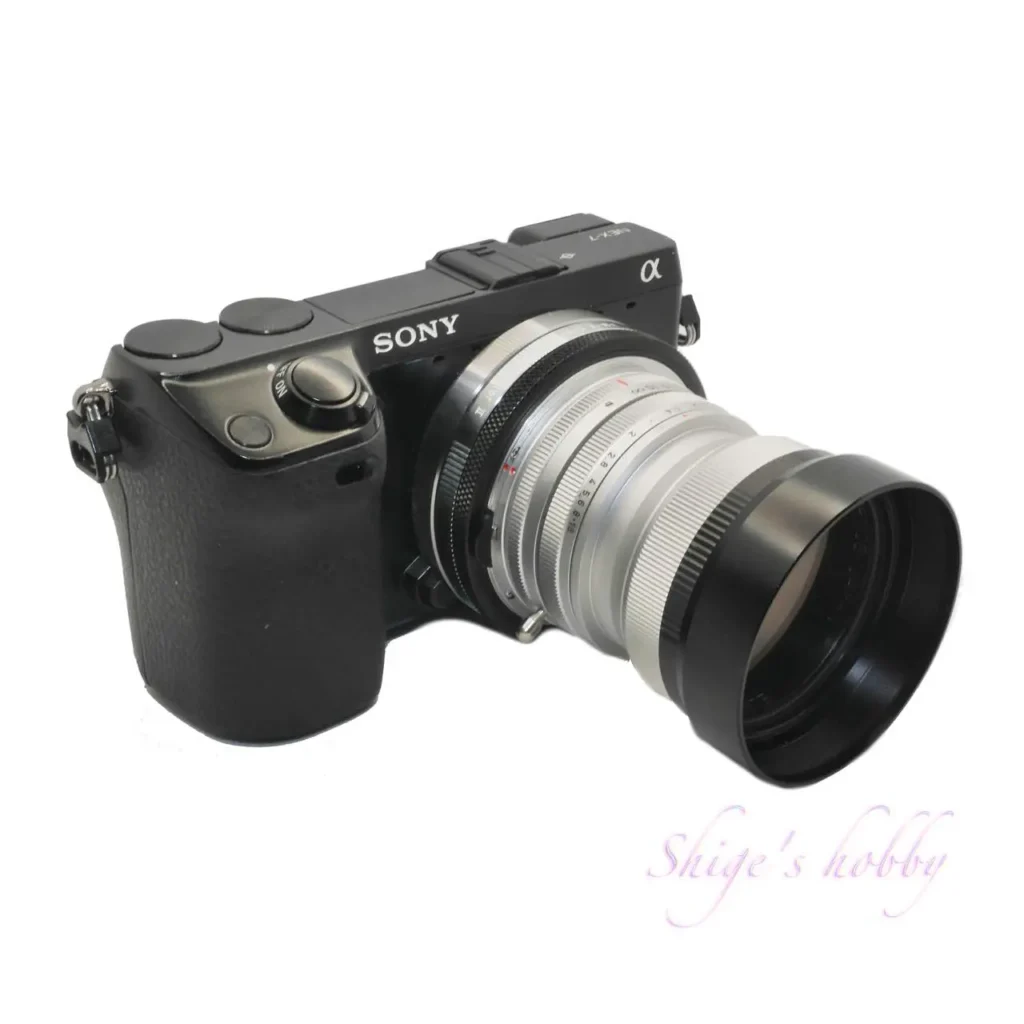
This time, I connected the camera and lens using the ‘VM-E Close Focus Adapter’, which improves the camera’s close-up shooting capabilities. As can be seen in the photo above, the camera system has a striking black and silver colour scheme known in the camera industry as the ‘panda pattern’. I really like it — it looks quite cool!
The α NEX-7 is an older camera, released in 2011, so it’s over 15 years old now. However, with 24 million pixels, it’s perfectly adequate for general photography. It’s also a good camera body for experimenting with mount adapters. Since used models are inexpensive, I recommend it if you can find one in good condition at a low price.
The shooting specifications are as follows:
- Shooting capabilities when using the VM-E Close Focus Adapter:
- 55 mm (lens focal length) × 1.5 (sensor size conversion factor) = 82.5 mm focal length.
- When the adapter is fully extended, the minimum distance from the lens tip to the subject is approximately 0.3 m; normally, this distance is approximately 0.7 m.
The total weight of this combination is 545 g, which is standard for a mirrorless camera. Breakdown: camera 291 g, lens 180 g, VM-E Close Focus Adapter 74 g.
I initially used this lens with the NEX-C3, but its bright f/1.2 aperture made it almost impossible to determine the focus point on the rear LCD screen in backlit situations. Therefore, I switched to the NEX-7, which has an electronic viewfinder. With this, I could confirm the focus point even in backlit conditions, which made shooting much more comfortable.
In bright, backlit situations, however, the maximum shutter speed can be problematic. Both cameras have the same maximum shutter speed of 1/4000 second and suffer from blown-out highlights when the light saturates. However, the NEX-7 appears to have superior highlight retention in RAW data. Although the NEX-7 has 24 million pixels (1.5 times more than the NEX-C3’s 16 million pixels), this is not noticeable when using reduced-size images.
Example images are shown below.
The first two images were taken in poor conditions — wide aperture and backlit — but while flare is present, there is no ghosting and the in-focus area is sharply rendered. This is typical performance for large-aperture MS-OPTICS lenses at wide apertures.
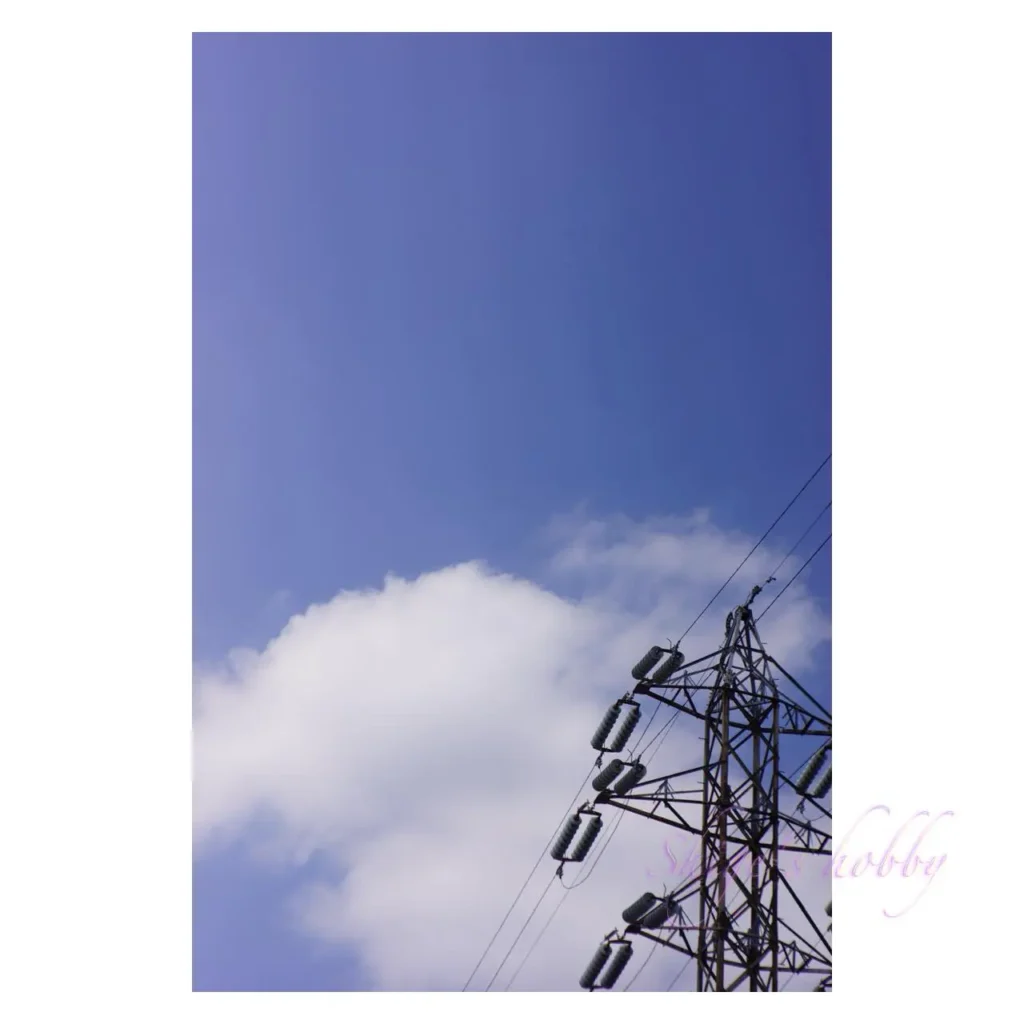
The third image was taken with the aperture stopped down to F2.8, resulting in improved resolution, the disappearance of flare and a more practical lens.


Details of the tools used are explained at the following link.
Reference links
Details about the SONY α NEX-7 are explained below.
Details of the MS-OPTICS ELNOMAXIM 55mm F1.2 are explained below.
Details of the VM-E Close Focus Adapter are explained below.
寄付のお願い・Request for donations
Affiliate links
- SONY NEX・Ads by Amazon
- SONY E・Ads by Amazon
- MS-OPTICS・Ads by Amazon
- VM-E Close Focus Adapter・Ads by Amazon

Be First to Comment