
Last updated on 2026-02-08
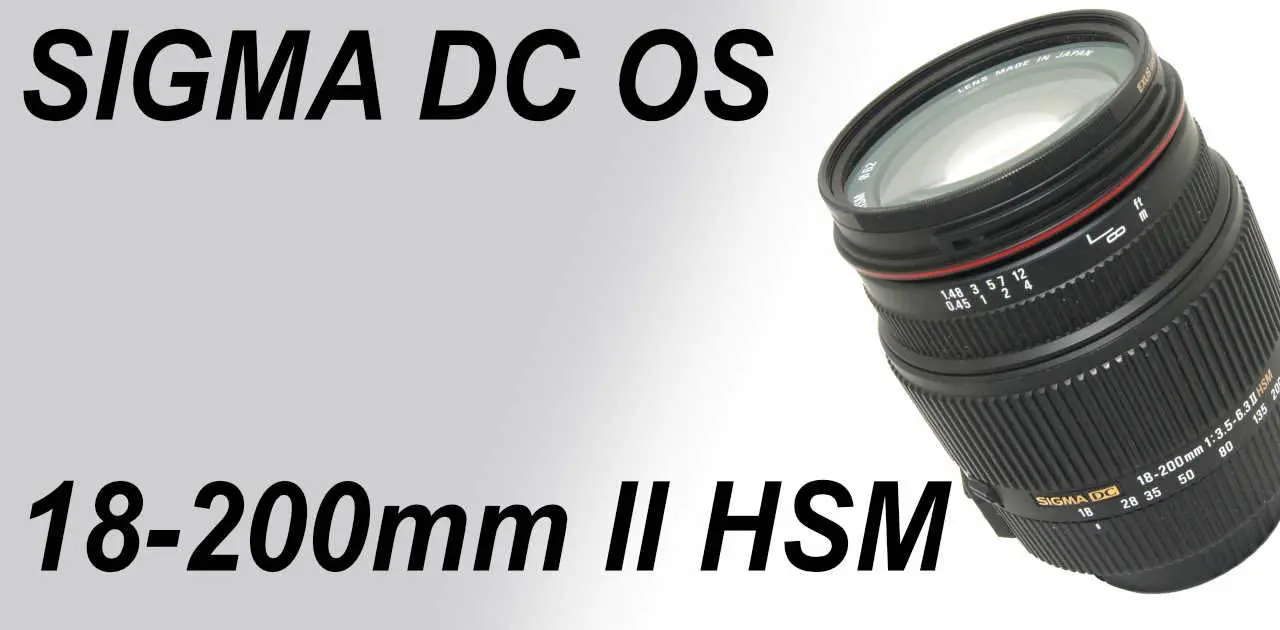
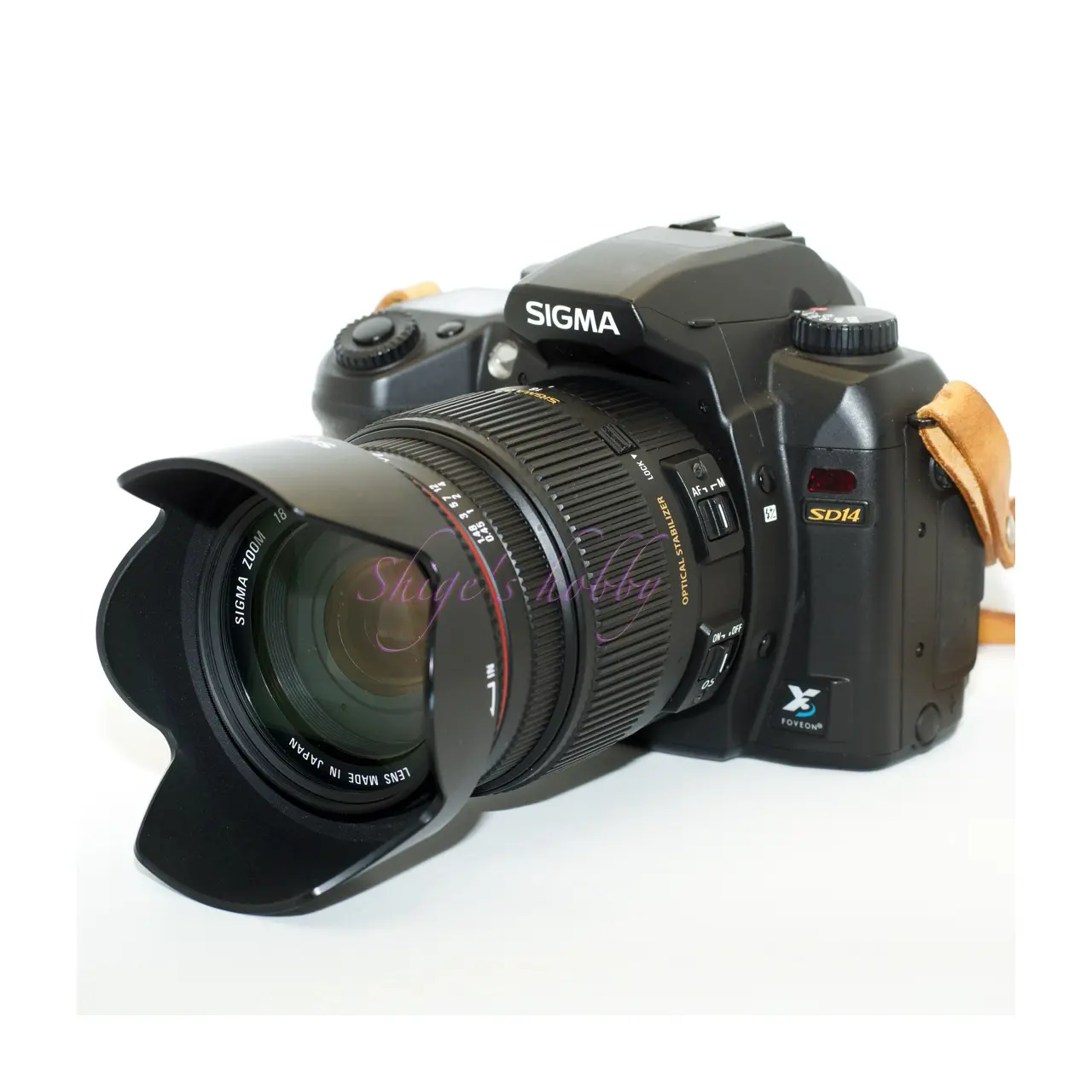
A review and sample images using the SIGMA 18-200mm F3.5-6.3 II DC OS HSM with the SIGMA SD14 and SONY α NEX-7.
- Please see the disclaimer regarding advertising here.
- Italicized links in the text are advertisement links that take you to other sites.
- If you find any images used on this site problematic, please contact us via the comments or inquiry form, either as the rights holder or their representative. We will review the matter and take appropriate action.
Table of contents

Gallery
The following cameras were used to take the sample photos:
- SIGMA SD14
- SONY α NEX-7
Review
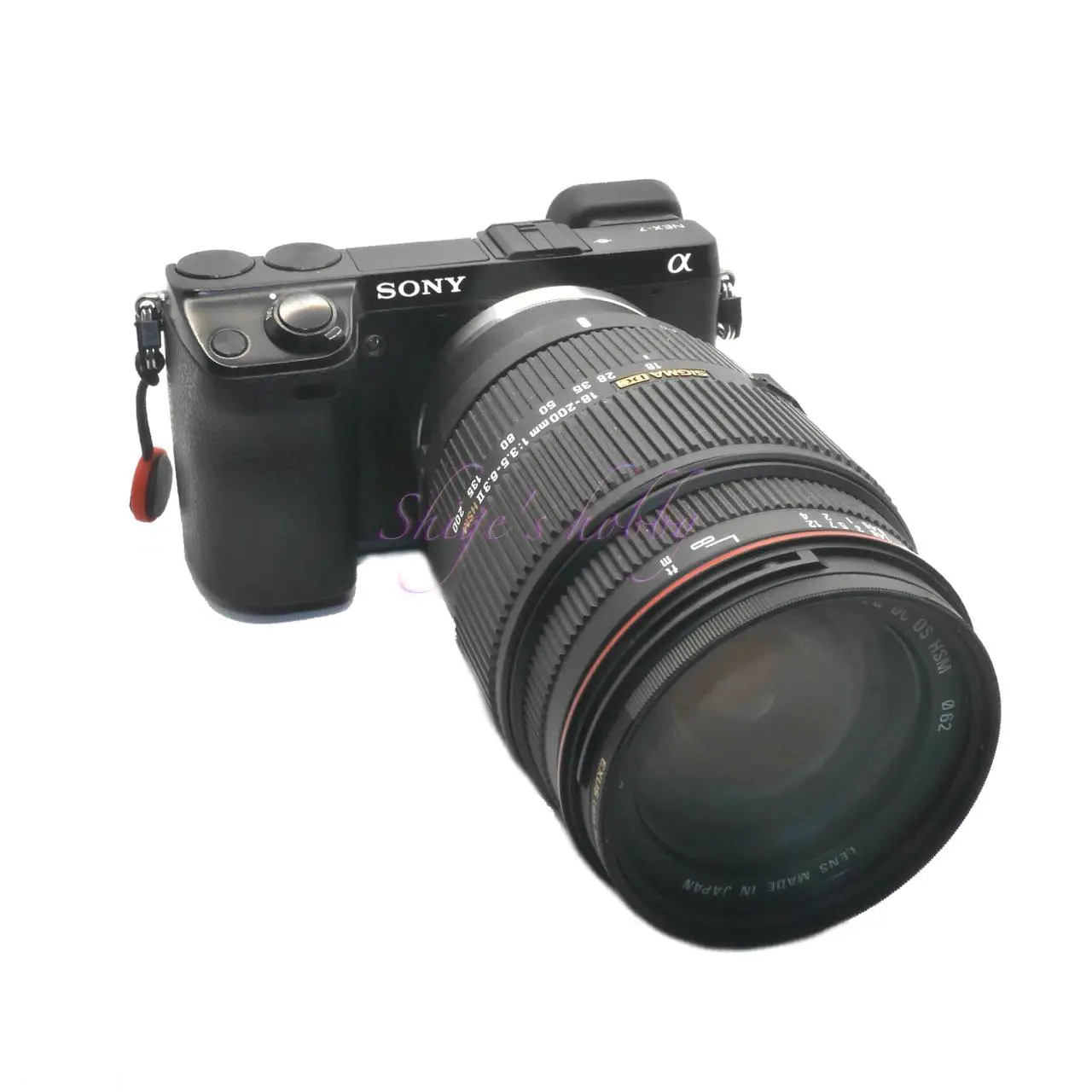
1.Overview
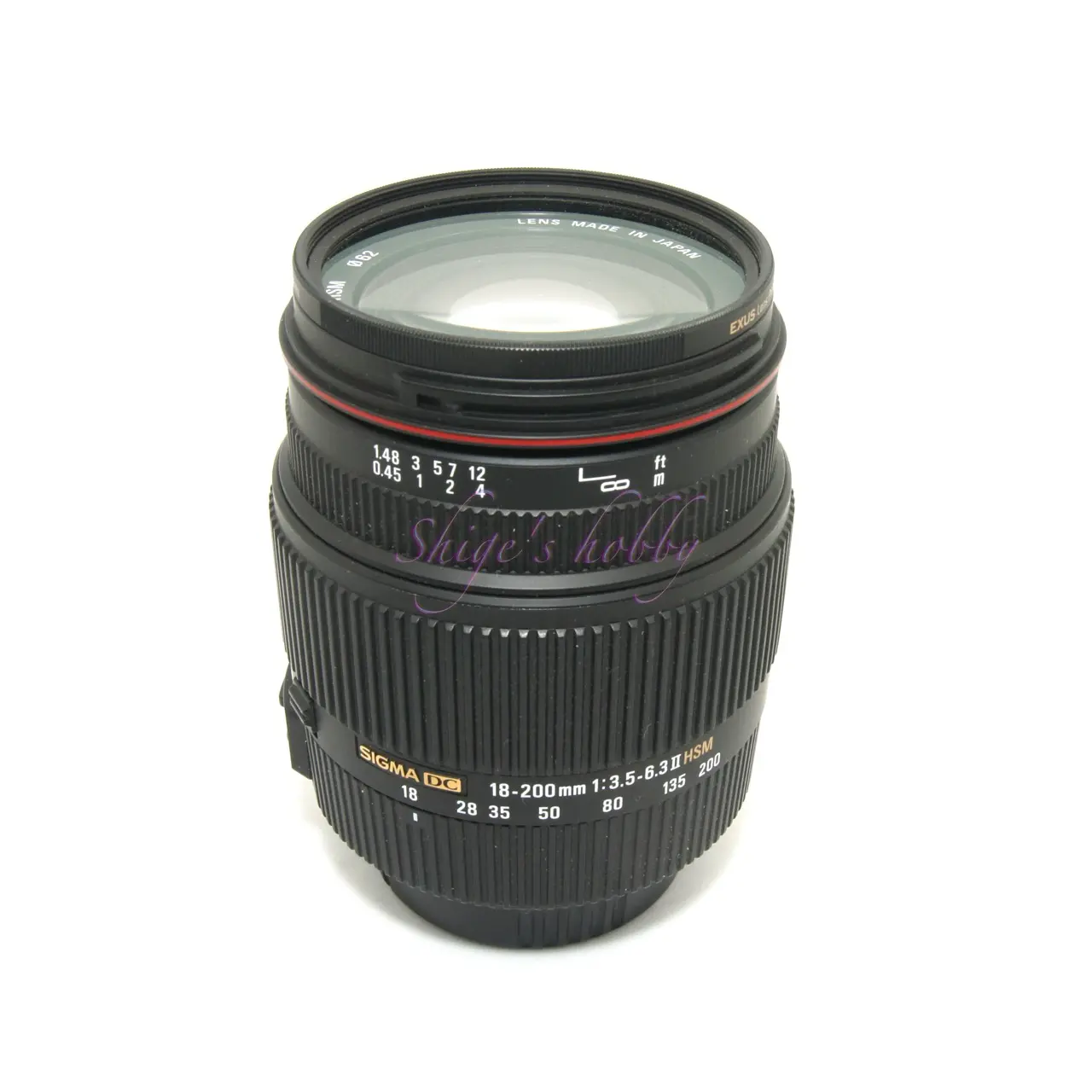
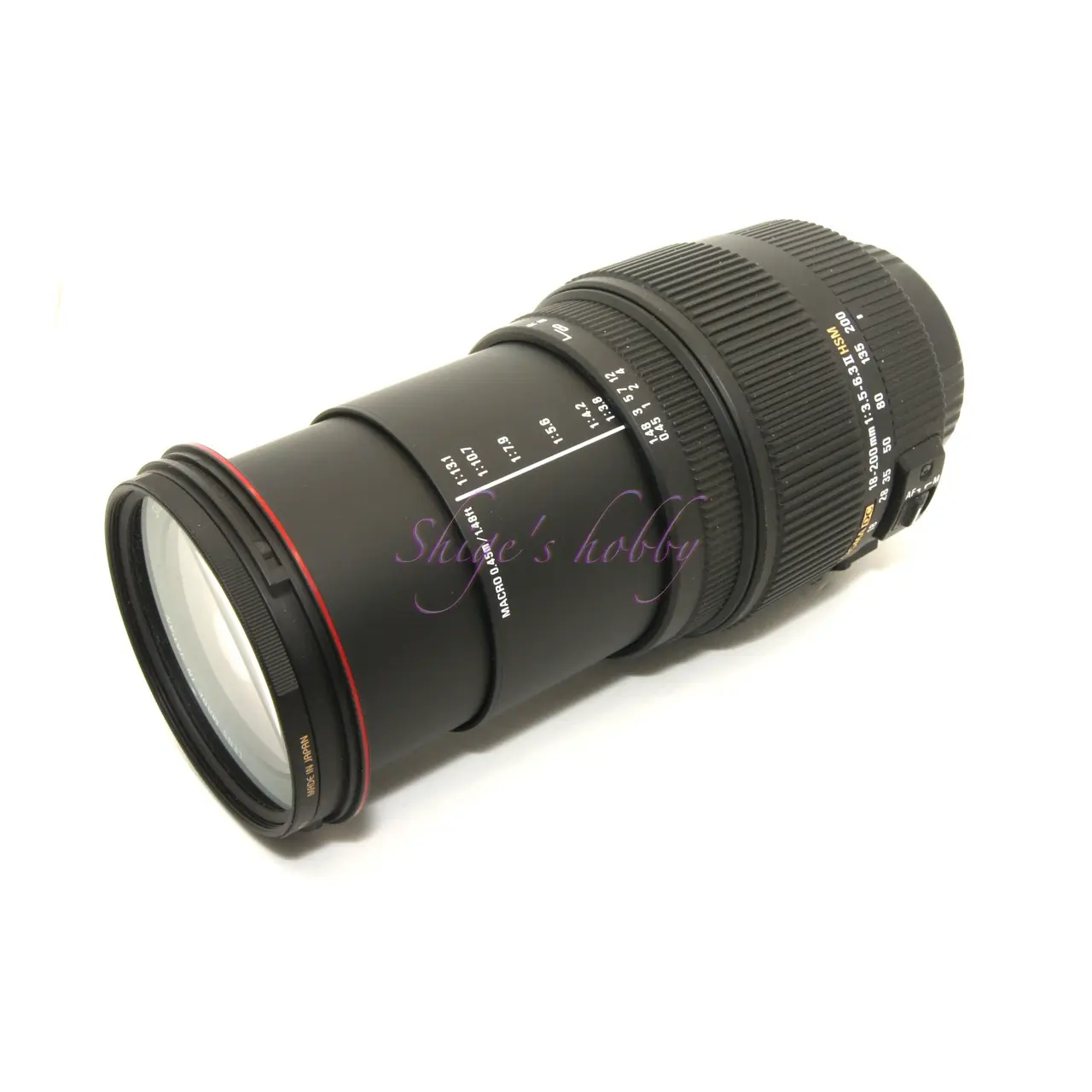
The SIGMA 18-200mm F3.5-6.3 II DC OS HSM is a high-magnification zoom lens for APS-C size sensors manufactured by Sigma and released in October 2011. As the lens name suggests, it covers focal lengths from 18mm to 200mm.
- 18 elements in 14 groups
- Minimum focusing distance: 0.45m
- Aperture blades: 7
- Bayonet lens hood LH680-01
- Mount options
- CANON EF
- NIKON-F
- SIGMA-SA
- PENTAX-K
- SONY-A
The focal length in 35mm film equivalent is as shown in the table below, as each manufacturer’s APS-C size sensors have slightly different focal lengths.
| Conversion factor | Actual focal length (mm) | Manufacturer employed |
| 1.5 | 27〜300 | Nikon, Ricoh Pentax, Sony (Minolta), Sigma (SD1, SD1 Merrill, SD quattro) |
| 1.6 | 28.8〜320 | CANON |
| 1.7 | 30.6〜340 | Sigma (SD9, SD10, SD14, SD15) |
2.Usability
The SIGMA 18-200mm F3.5-6.3 II DC OS HSM is a high-magnification zoom lens for APS-C sensors. This is Sigma’s second-generation 18-200mm focal length lens, and it’s smaller and lighter than its predecessor.
The zoom ring has two stages of extension and retracts, reaching its longest focal length at 200mm. The zoom ring rotates smoothly and without resistance.
The focus ring uses a switch to switch between autofocus and manual focus.
When autofocus is selected, the focus ring is fixed, and there is no direct manual focus function for adjusting the focus during autofocus.
When manual focus is selected, the focus ring can be operated, but the rotation angle is small and the rotational resistance typical of autofocus lenses is almost nonexistent. It takes some getting used to in order to lock the focus at the desired position, so this lens is primarily intended for autofocus use.
The lens is equipped with optical image stabilization (OS), but the OS is more than 10 years old and provides a nominal correction level of 4 stops. Even so, the OS still functions well in situations with slow shutter speeds, delivering sharp, blur-free photos at shutter speeds of around 0.5 seconds.
The lens motor uses an ultrasonic motor (HSM), which is significantly faster than the autofocus drive speed of previous lenses equipped with conventional motors. I was impressed to see 25 years of evolution here.
The focus accuracy is reasonably accurate when connected directly to the SIGMA SD14, but when used with the Sony α NEX-7 with an APS-C sensor using the Sigma-original mount converter MC-11 (L) Sigma mount lens – (B) Sony E-mount camera, the autofocus speed and accuracy are devastating. This combination is manual focus only.
Also, since this is an unofficial Sigma combination, it makes sense that this issue would occur, but it’s difficult to say whether the fact that it works when connected to a camera and lens is due to Sigma’s generosity or leniency.
Although it is already a fairly old lens, the image quality is excellent and, as it is a dark lens at F3.5 to F6.3, I mostly use it at full aperture, but there are no problems with resolution throughout the entire zoom range and chromatic aberration is not noticeable.
However, as it is a high-magnification zoom, there is a certain amount of distortion at all focal lengths, but the distortion is particularly noticeable at the wide-angle end. To correct this distortion, my favorite image editing software, AFFINITY Photo2, has a distortion correction lens profile specifically for this lens, which will properly correct the distortion. Other development software and image editing software should also be able to handle this if they have a distortion correction function.
Example of distortion correction in Affinity Photo2


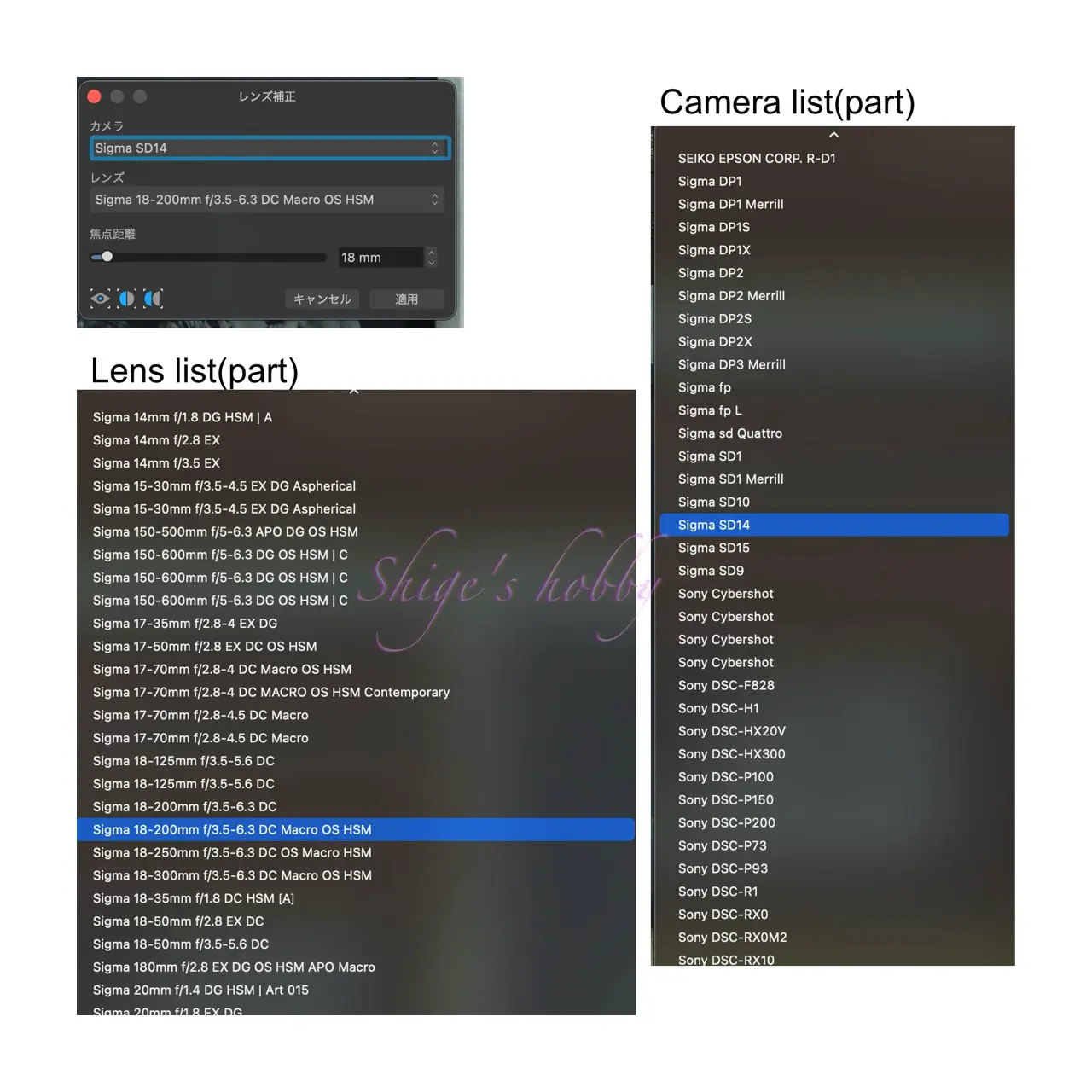
This lens has optical image stabilisation (OS) built into the lens, but is only available for three mount manufacturers: Canon EF, Nikon F and SIGMA SA. The PENTAX-K and SONY (MINOLTA) alpha versions have image stabilisation built into the body, so the lens-specific image stabilisation function has been removed.
The list price of this lens is around 90,000 yen, but the current used price is extremely low at under 10,000 yen, so I bought it thinking it would be just right as the standard lens for my SIGMA SD14, which I’m buying for the umpteenth time.
3.Summary
The SIGMA 18-200mm F3.5-6.3 II DC OS HSM is a useful high-magnification zoom lens to have, and its image quality is not bad once distortion is removed.
This second-generation model is more compact than the first and cheaper than the third-generation, so it’s a convenient lens to have on hand when using a camera with an APS-C sensor and mainly using short focal lengths.
Specifications, considerations, etc.
The first generation of lenses with the same specifications was released in 2007, the second in 2012, and the third in 2015. Each generation features a different lens design, with the second generation being more compact, and the third even more compact, with a minimum focusing distance of 0.39m across the entire lens range, increasing the lens’s versatility.
In response to demand for high-magnification zoom lenses for APS-C sensors, Tamron released a lens with similar specifications in 2015. The lens barrel, which contributes to weight reduction, is made of a highly rigid plastic (which Tamron calls engineering plastic), resulting in a very lightweight 400g lens with a list price of ¥36,000, not far from the market price. The minimum focusing distance is 0.5m, so it’s not a lens that can get very close. Tamron does not offer a short minimum focusing distance for its high-magnification zoom lenses, which appears to be the company’s design policy.
| Items | 18-200 | 18-200-II | 18-200C | Tamron Model B018 |
| Sensor size | APS-C size | APS-C size | APS-C size | APS-C size |
| Focal length(mm) | 18-200 | 18-200 | 18-200 | 18-200 |
| Max aperture | 3.5-6.3 | 3.5-6.3 | 3.5-6.3 | 3.5-6.3 |
| Min aperture | 22 | 22 | 22 | 22 |
| Leaf blade | 7 | 7 | 7 | 7 |
| Lens Construction | 18 elements in 13 groups | 18 elements in 14 groups | 16 elements in 13 groups | 16 elements in 14 groups |
| Min distance(m) | 0.45 | 0.45 | 0.39 | 0.5 |
| Lens length(mm) | 79 | 75.3 | 70.7 | 96 |
| Max diameter(mm) | 100 | 87.7 | 86 | 75 |
| Filter Size(mm) | 72 | 62 | 62 | 62 |
| Weight(g) | 610 | 490 | 430 | 400 |
| accessories | Flower-shaped hood | LH680-01 | LH676-01 | Flower-shaped hood |
| Release date | 2007.6 | 2011.10 | 2014.2 | 2015.8 |
| Lens mount | CANON EF NIKON-F SIGMA-SA PENTAX-K SONY-A | CANON EF NIKON-F SIGMA-SA PENTAX-K SONY-A | CANON EF NIKON-F SIGMA-SA PENTAX-K SONY-A | CANON EF NIKON-F SONY-A |
| Price(JP-Yen/No-tax) | -79,000 | -80,000 | 80,000- (SIGMA Online) | 36,000 |
Reference links
- 18-200mm F3.5-6.3 II DC OS HSM / DC HSM
- SIGMA SD14 / SD15
- TAMRON Model B018 18-200mm F/3.5-6.3 Di II VC
寄付のお願い・Request for donations
Affiliate link
- SIGMA lens・Ads by Amazon
- SIGMA・Ads by Amazon
- SIGMA books・Ads by Amazon

Update history
- 2026.2.7
Be First to Comment