
Last updated on 2026-05-02
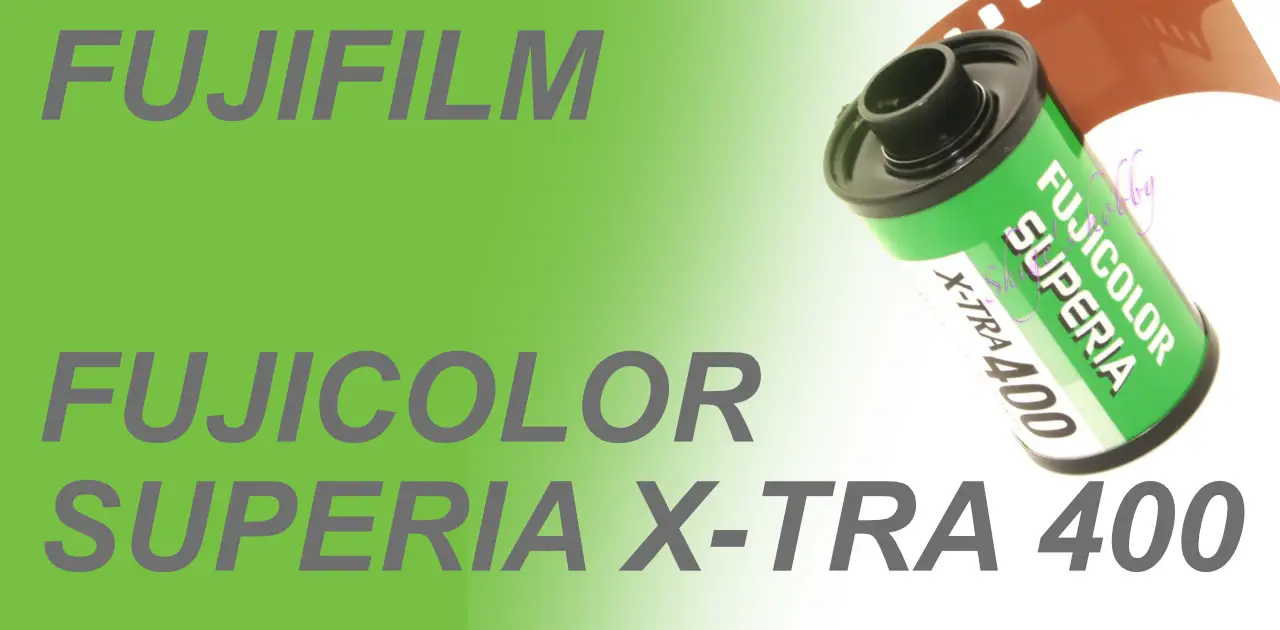
A review and sample photos of FUJIFILM X-TRA 400 ISO 400 film used with both compact and rangefinder cameras.
Table of contents

Gallery
The following cameras and scanners were used for the sample photographs.
- Scanner: MINOLTA DiMAGE SCAN PRO
- Compact Camera: RICOH GR21
- Rangefinder Camera: HEXAR RF limited + NIKKOR-S.C 50mm F1.4
Review
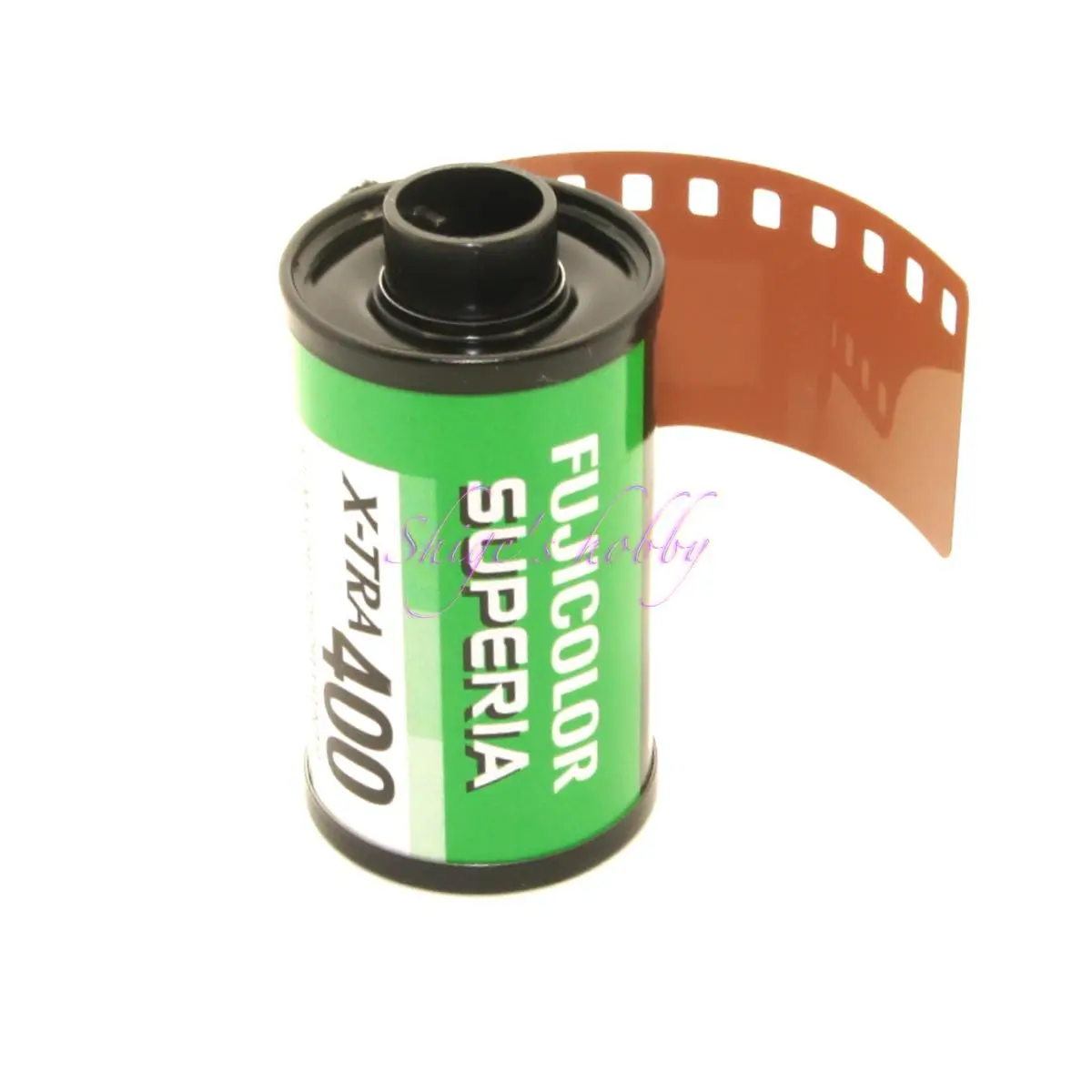
The “FUJIFILM SUPERIA X-TRA 400” is an ISO 400 color negative film produced by Fujifilm for sale in Japan. I often use it with my Ricoh GR21 or rangefinder camera with a dark lens for casual snapshots. One advantage is that the developed film is moderately thick and minimally curls, making it easy to handle with a film scanner.
When scanned with the default settings, the colors are rich, and the image has high contrast. If you’re digitizing and post-processing, you can adjust the colors as long as you shot with proper exposure. However, if you shoot with an exposure that crushes shadows or blows out highlights, this cannot be corrected in image processing.
In terms of resolution and grain, when comparing ISO 100 FUJICOLOR 100 and X-TRA 400 films scanned with DiMAGE Scan Pro, the X-TRA 400 film exhibits more noticeable grain. If the exposure is correct, however, the graininess is not unsightly. The slight inferiority in resolution and grain compared to the FUJICOLOR 100 is due to the difference in ISO sensitivity and is unavoidable.
The difference between ISO 100 and ISO 400 is the shutter speed at the same aperture value. Specifically, a shot taken with an aperture of F5.6 and a shutter speed of 1/60 second at ISO 100 can be taken with an aperture of F5.6 and a shutter speed of 1/250 second at ISO 400. The faster shutter speed helps prevent camera shake.
Additionally, when the shutter speed is set the same, ISO 400 allows for a two-stop reduction in aperture compared to ISO 100. A larger aperture increases the depth of field and widens the range of focus.
Compared to another ISO 400 film, Kodak Ultramax 400, the resolution is similar, but Ultramax 400’s grain appears slightly coarser. Ultramax 400 has its own merits, and a separate page will be created for it.
The following comparison is not strict due to differences in lighting conditions, exposure values, and cameras used.



This film was discontinued in 2024, and only the remaining stock is available. By 2026, it had almost completely disappeared from store shelves, replaced by the worldwide product “FUJIFILM 400.”
Specifications, considerations, etc.
X-TRA 400 and PREMIUM 400 were films that were popular in the 2010s. The difference between the two is that X-TRA has a slightly reddish, warm color tone, while PREMIUM has a slightly cool, cyan-heavy color tone.
Fujifilm provided ISO 400 film for the Japanese market. Representative consumer films are listed in the table below.
| SUPER 400 | SUPERIA VENUS 400 | SUPERIA PREMIUM 400 | SUPERIA X-TRA400 | FUJIFILM 400 | |
| Micro-concentration meter measurement aperture | Not specified | φ48um | φ48um | φ48um | Not specified |
| Chart contrast ratio: 1.6:1 | Not specified | 50本/mm | 50本/mm | 50本/mm | Not specified |
| Chart contrast 1000:1 | Not specified | 125本/mm | 125本/mm | 125本/mm | Not specified |
| The fourth color-sensitive layer (Color correction Layer) | ○ | ○ | × | × | × |
| GRAIN technology | Super Uniform Fine Grain | SUPER FINE- Z GRAIN | New Super Uniform Fine Grain | New Super Uniform Fine Grain | Not specified |
| others | Not specified | World’s best granular texture (January 2003) | Compared to SUPERIA Venus 400, it has a slightly more cyan (C) tint. Vivid Color Reproduction Technology | Compared to the SUPER 400FT, it has a slightly reddish tint. | Not specified |
| release date | 1998 | 2003 | 2009 | 2011 | 2024 (Japan) |
| Sales ended | Unknown | 2009 | – | 2024 | – |
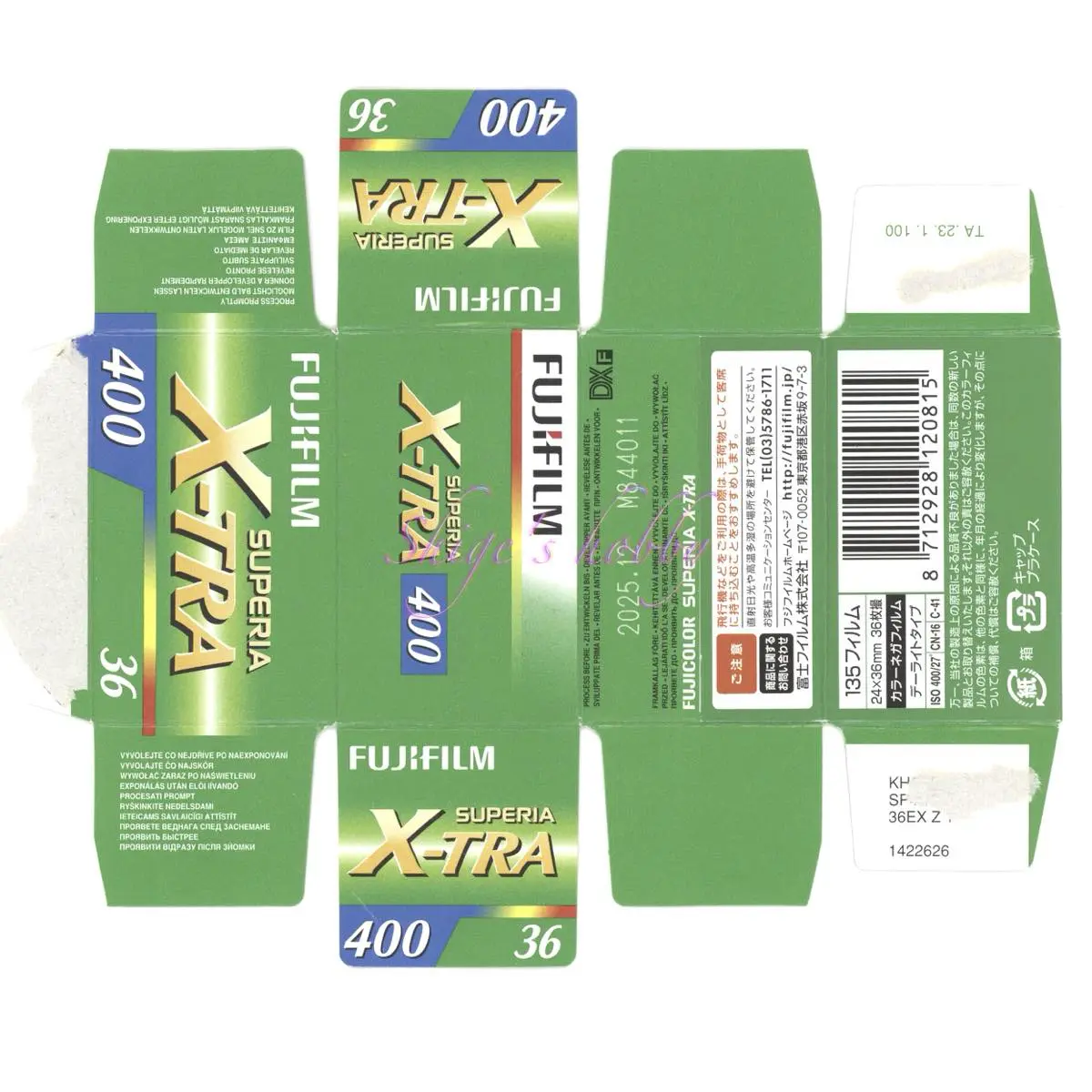
| Product name | FUJIFILM SUPERIA X-TRA 400 |
| Manufacturer | Fujifilm |
| Film type | Color negative film |
| ISO sensitivity | 400 |
| Color balance | Daylight |
| Film processing | C-41 |
| Film materials | Cellulose Triacetate |
| resolution | 125 lines/mm (contrast ratio 1000:1) |
| DX Code | exist |
| Features | – |
| Film thickness | 141 μm (0.141 mm) – Measured with a micrometer |
| release date | 2011-2024 |
Reference links
- FUJIFILM
- FUJIFILM USA
- Announcement of the introduction of color negative film “FUJIFILM 400” in Japan
寄付のお願い・Request for donations
Affiliate links
- 35mm film・Ads by Amazon
- Reversal film・Ads by Amazon

Update history
- 2026.4.30
Be First to Comment