
Last updated on 2026-03-17
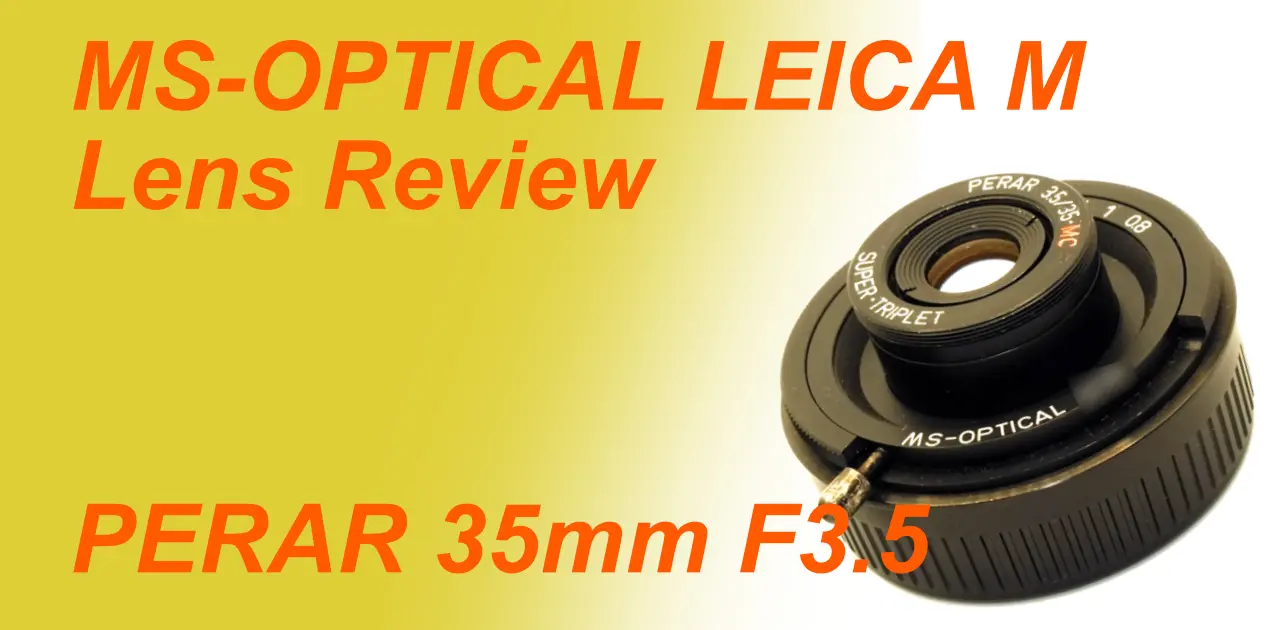
A review and sample photos of the Ms-Optics (Miyazaki Optical) PERAR 35mm F3.5 used with various digital cameras, including the LEICA M typ240.
- Please see the disclaimer regarding advertising here.
- Italicized links in the text are advertisement links that take you to other sites.
- If you find any images used on this site problematic, please contact us via the comments or inquiry form, either as the rights holder or their representative. We will review the matter and take appropriate action.
Table of contents

Gallery
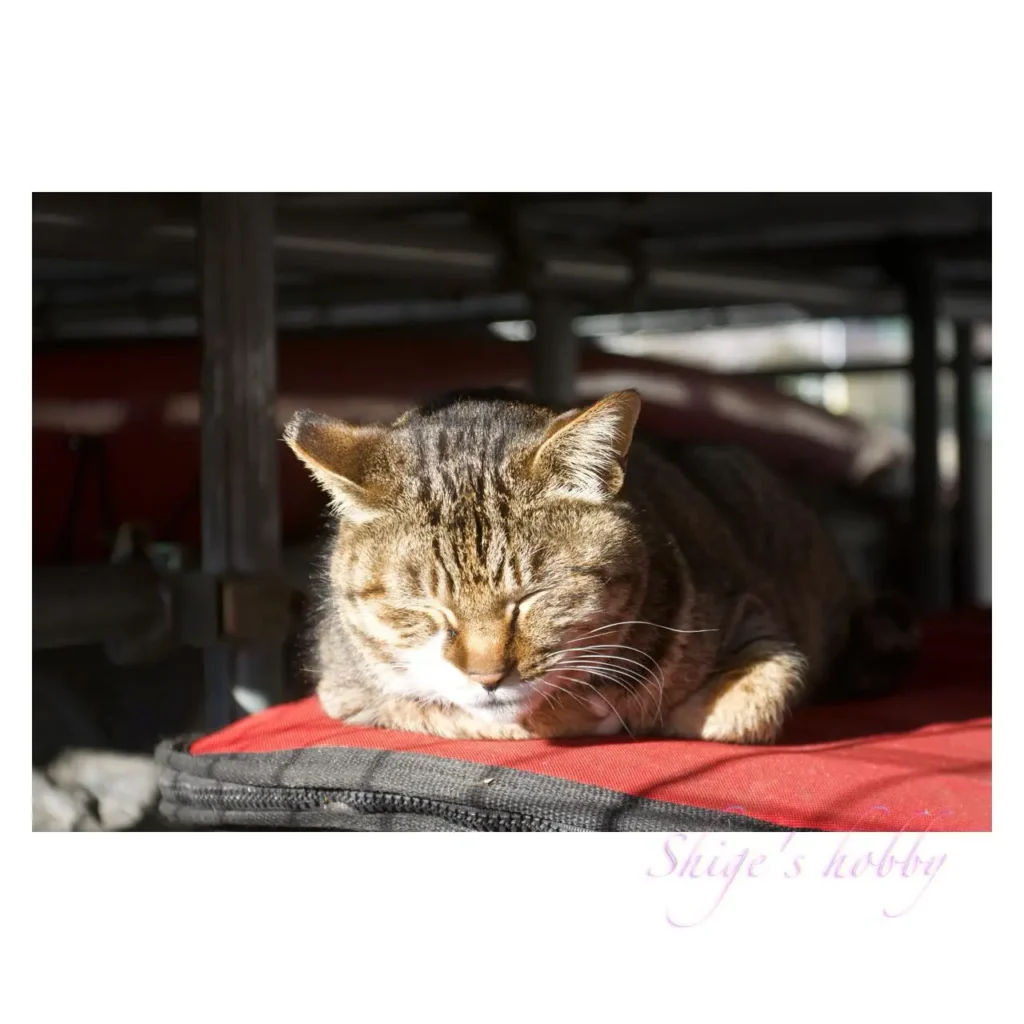
The following cameras were used to take the example photos, which mostly feature cat photos.
- LEICA M10
- LEICA M9
- LEICA M-P Typ240
- LEICA M8
- EPSON R-D1
- HASSELBLAD X2D-100C
- LEICA T typ701
- RICOH GXR A12
- LUMIX DMC-GM5
- Click on the image to enlarge
Review
1.Overview
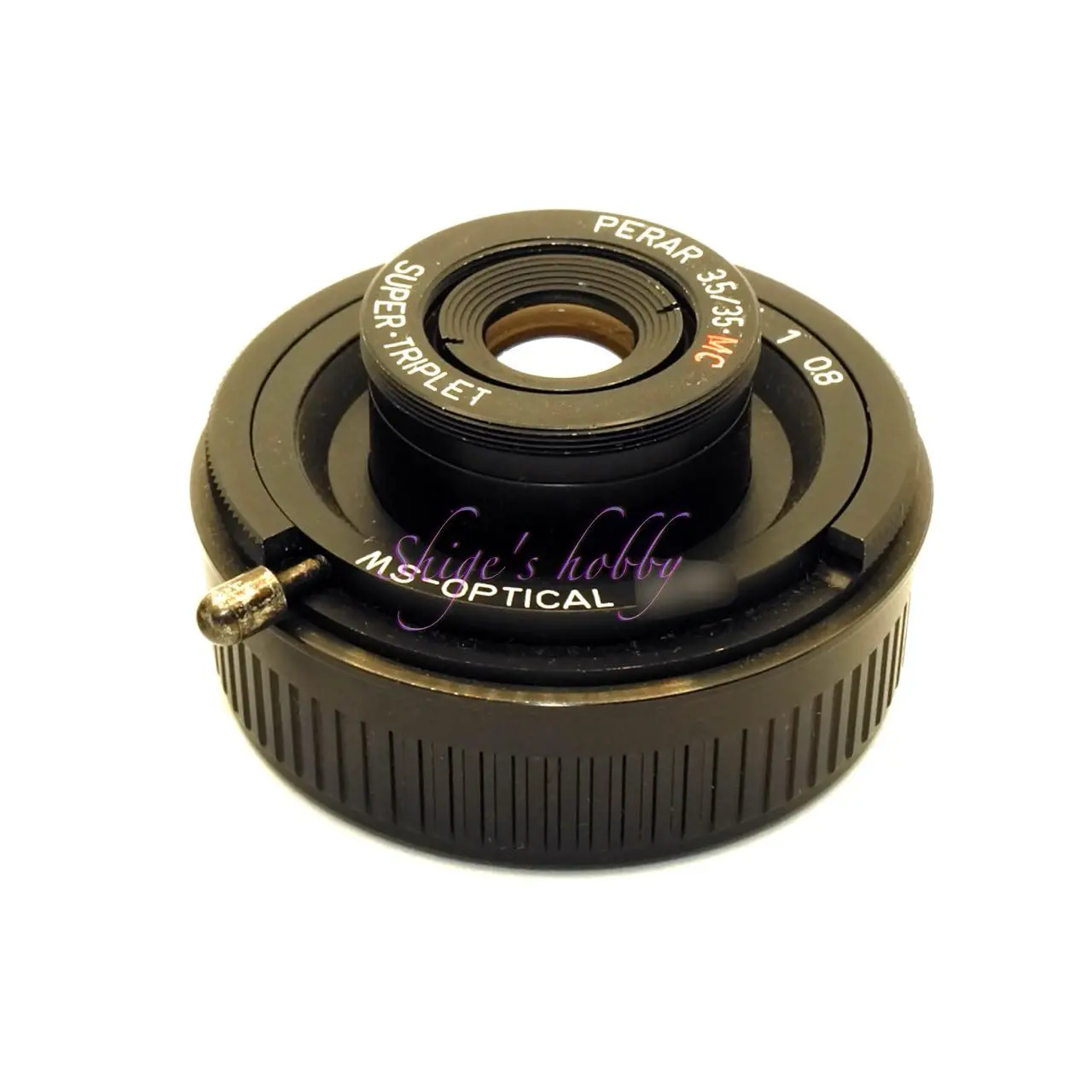
The MS-PERAR 35mm f/3.5, released in 2010, was the third product from MS-OPTICAL (MS-OPTICS / Miyazaki Optical) and the first in the Triplet series.
As the lens nameplate reads SUPER TRIPLE, the lens features a triplet structure with three elements in three groups, giving it the PERAR name.
Detailed specifications are listed in the table, but the key specifications are summarized below.
- Lens construction: 3 elements in 3 groups
- Aperture: f/3.5-f/16
- Aperture blades: 10
- The lens features a retractable barrel; when retracted, the lens is 4mm thick.
- Minimum focusing distance: 0.8m
- Range of rangefinder coupling for Leica M-type rangefinder cameras is 0.8m
- A 19mm diameter filter is threaded reverse onto the front of the lens.
- A dedicated 19mm reverse-thread cylindrical hood is included.
2.Usability
The MS-PERAR 35mm f/3.5 lens retains the characteristics of a triple-element lens. Thanks to its fewer glass elements, it delivers crisp, clear images in the center, but image distortion due to curvature of field can be noticeable at the edges.
Regarding this peripheral distortion, the lens design data states that designer Miyazaki sacrificed some of the central aperture to improve peripheral image quality, as the difference was particularly noticeable when the image quality in the center was at its peak.
Although the lens is a bit slow with an aperture setting of f/3.5, it can be used outdoors during the day to capture any subject, from landscapes to still lifes. Furthermore, with digital cameras, the low ISO sensitivity can be addressed by increasing the ISO sensitivity.
The minimum focusing distance of 0.8m is a little disappointing in the 2020s, when mirrorless cameras are in full swing. However, using a mount adapter with an auxiliary helicoid to compensate for this short focusing distance eliminates concerns.
I will describe my impressions with each camera used in the sample images.
Digital Rangefinder Cameras
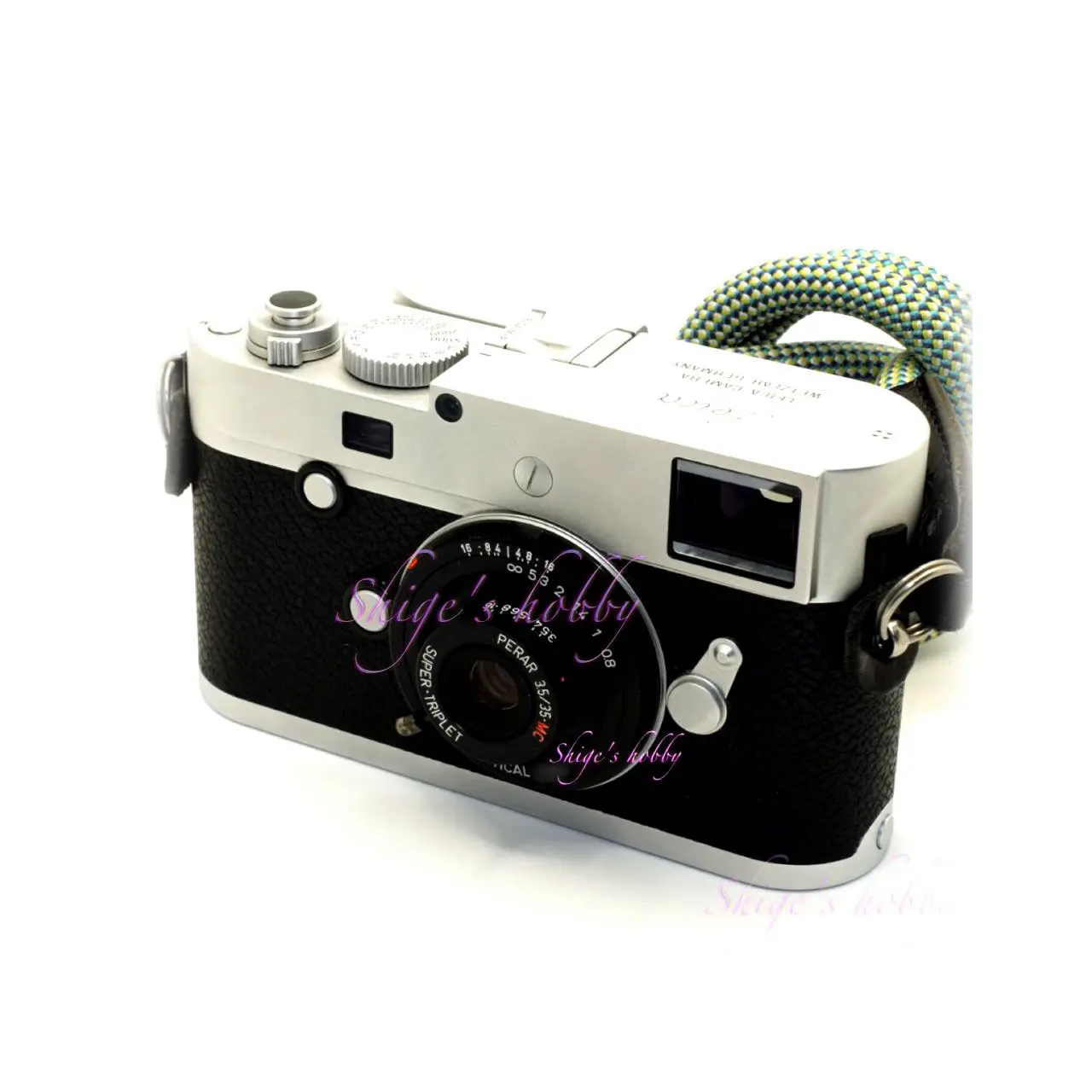
The LEICA M10, LEICA M9, and LEICA M-P Typ240 are 20-megapixel digital cameras equipped with 35mm full-frame (full-frame) sensors, allowing them to capture images with the same angle of view as 35mm film. All three cameras produce clear images in the center, but tend to produce slightly blurred images at the edges.
The LEICA M8.2, which has a smaller sensor than a 35mm full-frame sensor, is equipped with a 10-megapixel APS-H sensor (27mm x 18mm), and its 35mm equivalent focal length is 47mm, calculated by multiplying the sensor size by a conversion factor of 1.33. The Epson R-D1 is equipped with a 6-megapixel APS-C-size sensor (23.6mm x 15.6mm), and its focal length in 35mm film equivalent is 53mm multiplied by the sensor size conversion factor of 1.5. When shooting with these two cameras, the angle of view is roughly the same as that of a 50mm, which is considered a standard lens.
When this lens is attached to both cameras, the built-in viewfinder displays a 50mm-equivalent frame, so there is little sense of incongruity when shooting. However, when used in conjunction with a 35mm film camera or a 35mm full-frame sensor camera, the narrow angle of view becomes apparent.
The resulting image has better overall uniformity because the periphery, which can be difficult to capture with a 35mm full-frame sensor camera, is cropped (removed). Of course, cropping the results outside the 50mm focal length on a 35mm full-frame sensor will leave only the central portion, improving overall image uniformity.
Mirrorless Camera
The first mirrorless camera we’ll introduce is the HASSELBLAD X2D-100C, which is equipped with a medium-format digital sensor (44mm x 33mm). Because the sensor is larger than that of 35mm film (36mm x 24mm), the focal length of the captured image is equivalent to a 28mm wide-angle lens, multiplied by the focal length conversion factor of 0.8 for the sensor size.
As a result, the central resolution is sufficient for the 100MP sensor, and there is little vignetting at the edges of the image. However, the image distortion at the edges, which was also observed with a 35mm full-frame sensor, becomes more noticeable.
This isn’t a problem when you want to highlight a central subject, but if you want a flat image across the entire image plane, such as in landscape photography, you’ll need to crop the image.
The LEICA T typ701 and RICOH GXR-A12, both equipped with APS-C size sensors (23.6mm x 15.6mm), have a 35mm equivalent focal length of 53mm multiplied by the sensor size conversion factor of 1.5, resulting in roughly the same angle of view as a standard lens.
Since mirrorless cameras use an electronic viewfinder or LCD monitor to shoot, the image you see is recorded as is, so you can shoot as if you were using a standard 50mm lens without worrying about changes in focal length. While there’s a four-megapixel difference—the LEICA T has 16 megapixels and the GXR has 12 megapixels—resolution is roughly the same, so you can choose based on your preference for camera image quality and operability.
When shooting with the default settings under similar light sources, the two cameras produce similar images, with both producing subdued, unobtrusive colors.
Equipped with a Four Thirds sensor, the LUMIX DSC-GM5’s focal length in 35mm film equivalent is 70mm multiplied by the sensor size conversion factor of 2, putting it in the category of a medium telephoto lens.
With this lens, too, you shoot while looking through the electronic viewfinder or LCD display, and what you see is recorded, but when you consider the 35mm focal length, the field of view can feel narrow.
This also has the advantage of allowing telephoto shooting; while a 35mm focal length may feel a little lacking, the minimum focusing distance of 0.8m is equivalent to a 70mm focal length, allowing you to get closer to the subject than you might expect. Since 75% of the lens’s intended shooting range is discarded, the character of the original lens is diluted, but it can be used for snapshots of small animals or to emphasize specific parts.
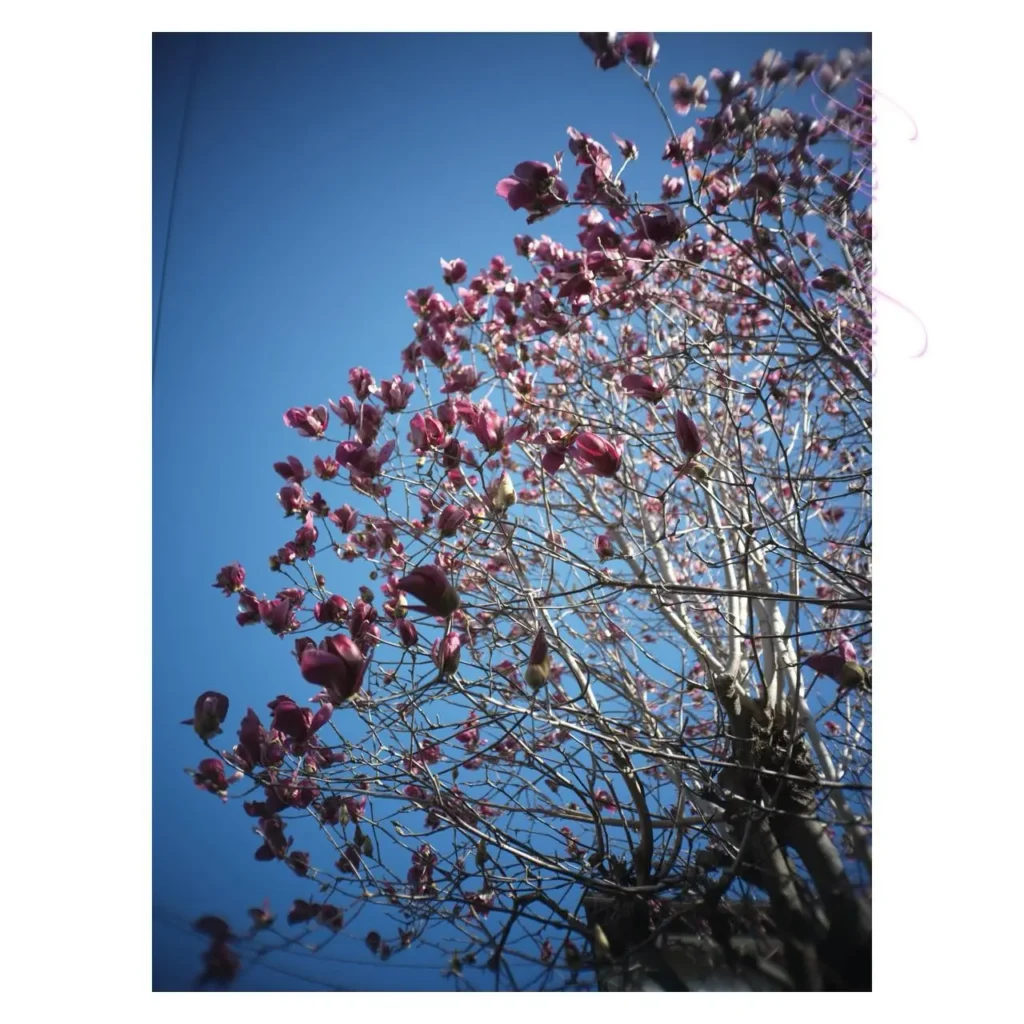
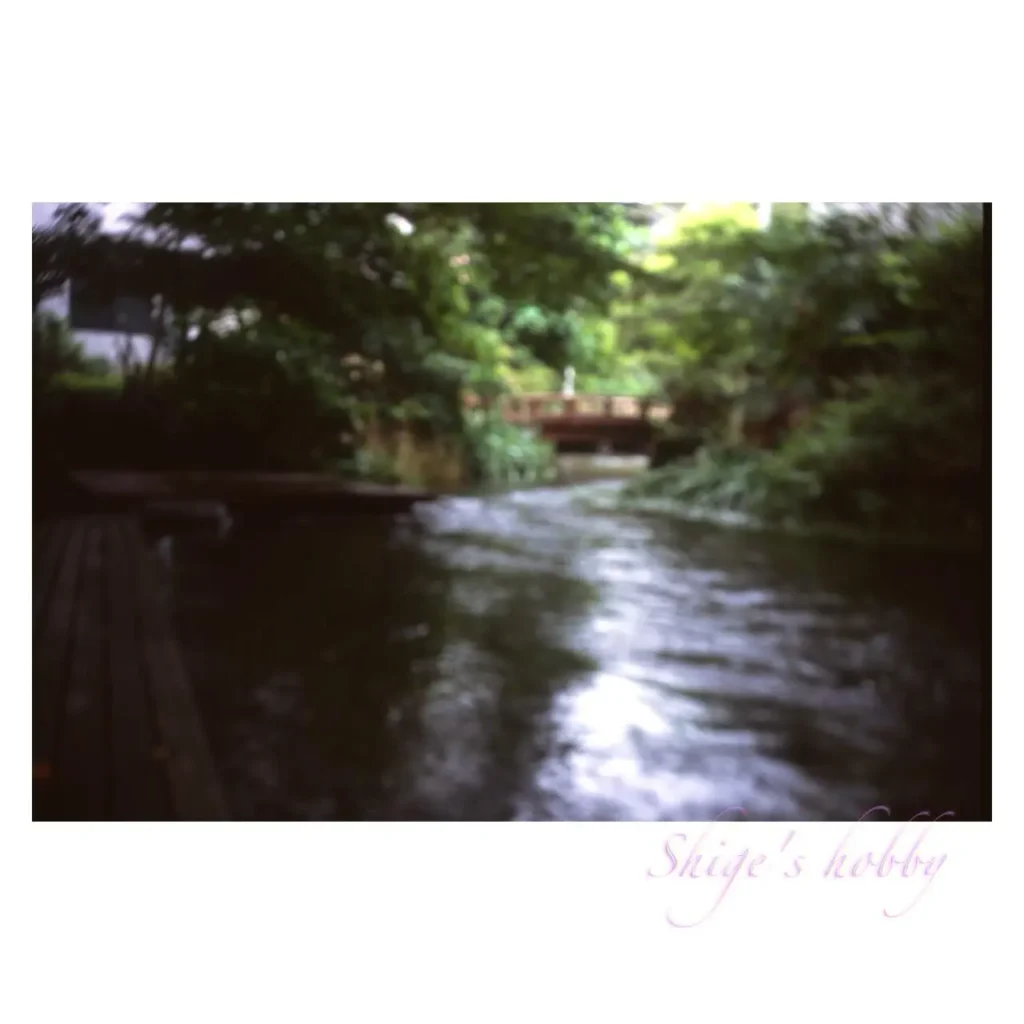
When I got this lens, I loaded the KODAK E100VS into my HEXAR-RF film rangefinder camera and went out to shoot with the MS-MODE-S 50mm F1.3, but I forgot that this lens was a retractable lens and took pictures without checking the lens position, which made all the photos out of focus. I haven’t used this lens with a film camera since then, so the only photos I’ve taken with film are out of focus photos like the one below.
I bought the Type I soon after it was released in 2010 and used it for a long time, but then I found the Type II at a used camera store around 2017 and bought it. When I compared the Type I and Type II, the only visible differences were the inclusion of II in the lens name and the shape of the hood. The included instruction manual was also the same, so the lens configuration hadn’t changed and the Type II was likely the second batch.
3.Summary
To summarize, the MS-PERAR 35mm F3.5 is a compact 35mm lens that offers clear, sharp images. While the image quality in the center is high enough to handle high pixel counts, the image quality in the periphery is somewhat lacking. For this reason, it is a lens that works well with sensors smaller than 35mm full-frame sensors, such as APS-C size sensors.
Specification ,Study and more
In the world of rangefinder cameras, the 35mm focal length lens market is fiercely competitive, with many companies releasing a wide variety of lenses. MS-optics has also released three bright 35mm lenses.
Among these, this lens is notable for its compact barrel and light weight. Of the 35mm focal length lenses I own, it is roughly the same size as the LEITZ ELMAR 3.5cm f/3.5.
The Elmar 3.5cm is an advanced version of the triplet, with a lens configuration of three groups, four elements, and one additional lens, adopting Carl Zeiss’s Tessar format.
With the additional element, the Elmar offers slightly better aberration correction, and actual photos show less distortion at the edges of the image. However, the MS-PERAR 35mm lens is coated with the latest multi-coating, which reduces flare and ghosting in backlit or diagonal light situations.
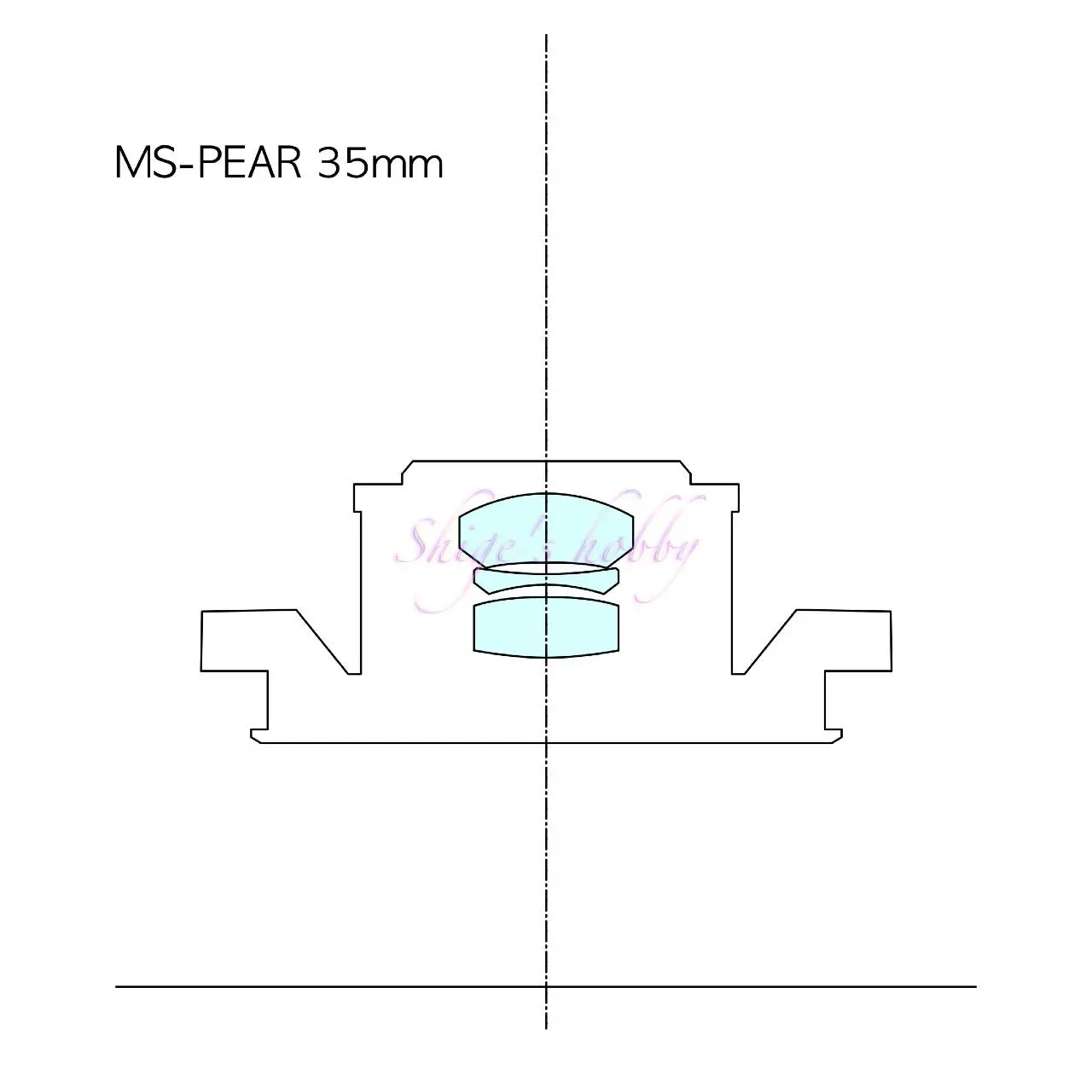

- The lens construction diagrams are taken from materials distributed by each company, and the sizes have been adjusted by us, so they are not exact.
| Item | PERAR | ELMAR |
| Focal length(mm) | 35 | 3.5(cm) |
| Max aperture | 3.5 | 3.5 |
| Min aperture | 22 | 18 |
| Aperture blade | 10 | 6 |
| Lens Construction | 3 elements in 3 groups | 4 elements in 3 groups |
| Min distance(m) | 0.8 | 1.0 |
| Length(mm) | 15 | 14 |
| Max diameter(mm) | 48.6 | 49 |
| Filter size(mm) | 19 | 19mm A36 Covered |
| Weight(g) | 70 | 130 |
| lens hood | Dedicated cylindrical screw type | FIKUS FLQOO |
| lens mount | LEICA_M | L39 Screw |
| Release date | 2010 | 1930 |
| Price | ¥55,000 | – |
The PERAR series from Ms-optics consists of three elements in three groups and includes four lenses, including this lens; the PERAR-28mm F4, PERAR-24mm F4, and PERAR21mm F4.5; all of which are wide-angle lenses with slightly slower maximum apertures.
| Item | PERAR | ← | ← | ← |
| focal length(mm) | 35 | 28 | 24 | 21 |
| Maximum aperture | 3.5 | 4 | ← | 4.5 |
| Minimum aperture | 22 | ← | ← | ← |
| Lens configuration | 3groups 3elements | ← | ← | ← |
| Leaf blade | 10 | ← | ← | ← |
| Minimum distance(m) | 0.8 | ← | 0.65 | 0.5 |
| Lens length(mm) | 17.5 | 9 | 5.2 | 5.2 |
| Lens max diameter(mm) | 48.6 | ← | ← | ← |
| Filter diameter(mm) | 19 | ← | ← | 25 |
| Weight(g) | 70 | 45 | 35 | 45 |
| Release date | Y2010 | Y2012 | Y2014 | Y2015 |
| List price(Yen/No tax) | ¥55,000- | ¥60,000- | ¥60,000- | ¥60,000- |
Reference links
- Description of triplet lenses by Wikipedia
- LEITZ ELMAR 35mm F3.5・Shige’s hobby
- EPSON R-D1x・Shige’s hobby
- EPSON R-D1・Shige’s hobby
- LEICA M-P typ240・Shige’s hobby
- LEICA M9・Shige’s hobby
- LEICA M8・Shige’s hobby
- PERAR-28mm F4・Shige’s hobby
- PERAR-24mm F4・Shige’s hobby
- PERAR21mm F4.5・Shige’s hobby
寄付のお願い・Request for donations
Affiliate links
- Please see the disclaimer regarding advertising here.
- Italicized links in the text are advertisement links that take you to other sites.
- If you find any images used on this site problematic, please contact us via the comments or inquiry form, either as the rights holder or their representative. We will review the matter and take appropriate action.
Update history
- 2026.3.5
- 2025.7.20
- 2024.11.18
- 2024.03.12:Update article
- 2022.06.02:First draft
Be First to Comment