
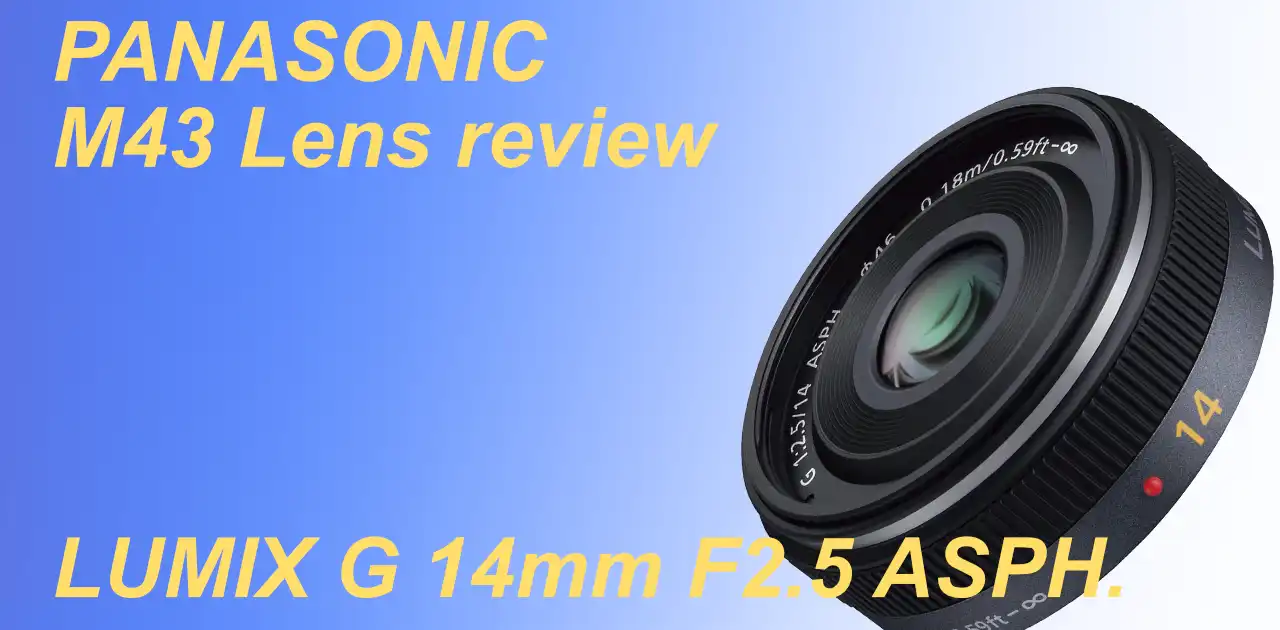
This article is a review and photo examples of the PANASONIC LUMIX G 14mm F2.5 (H-H014), released in 2010, used with the OLYMPUS E-PL2 and E-PL3 mirrorless cameras.
- Please see the disclaimer regarding advertising here.
- Italicized links in the text are advertisement links that take you to other sites.
- If you find any images used on this site problematic, please contact us via the comments or inquiry form, either as the rights holder or their representative. We will review the matter and take appropriate action.
Table of contents

Gallery
The following cameras were used to take the sample photos:
Review
1.Overview
The Panasonic LUMIX G 14mm F2.5 (H-H014) is a 14mm wide-angle lens for Micro Four Thirds cameras. It was manufactured by Panasonic and released in 2010.
When used with a Micro Four Thirds camera, the equivalent focal length is 28mm in the 35mm film format.
The lens barrel has a simple design with only a focus ring, and aperture control is performed on the camera. There are no buttons for macro switching, etc.
The lens construction consists of six elements in five groups, including three aspherical lenses.
The H-H014A, released in 2014, is the successor lens to the H-H014. The H-H014 and H-H014A have the same lens construction; the differences lie in the barrel color, lens operation sound, and price.
- The H-H014 comes in a two-tone gray and black barrel, while the H-H014A comes in black and silver.
- Quiet, high-precision contrast AF lens.
- List price: ¥47,500 for the H-H014 and ¥47,500 for the H-H014A (excluding tax).
Detailed lens specifications are listed in the table.
2.Usability
The Panasonic Lumix G 14mm F2.5 (H-H014) is an extremely compact prime lens. When mounted on a small Micro Four Thirds camera, it easily fits into a camera bag and is convenient to carry around. This makes it an ideal secondary lens for your main camera.
As previously mentioned, the lens has only a focus ring and lacks distance indicators, suggesting that it is designed primarily for autofocus. The focus speed is sufficient for still photography. Focus accuracy largely depends on the camera’s performance. Based on my experience using it with the E-PL2 and E-PL3, however, I haven’t encountered any issues during normal use. However, as with any autofocus lens, if the subject is behind bushes or a fence, the autofocus will lock onto the foreground object, requiring manual focus adjustment.
The lens’s image quality is average, improving as you stop down from the wide-open F2.5 aperture.
As the first example image shows, the lens produces decent results with a wide aperture during close-up shots. This makes it suitable for table photography and similar applications.
The second and third images feature distant subjects in dim lighting, which reduces some of the softness. However, shooting distant subjects with a wide aperture during the day can result in noticeable softness. Since you typically stop down the aperture when shooting distant subjects during the day, this issue is unlikely to be a major concern.
The final example, a close-up with a slightly stopped-down aperture, shows a good balance between the sheen of the cat’s fur and the overall resolution. This demonstrates the lens’s suitability for snapshots.
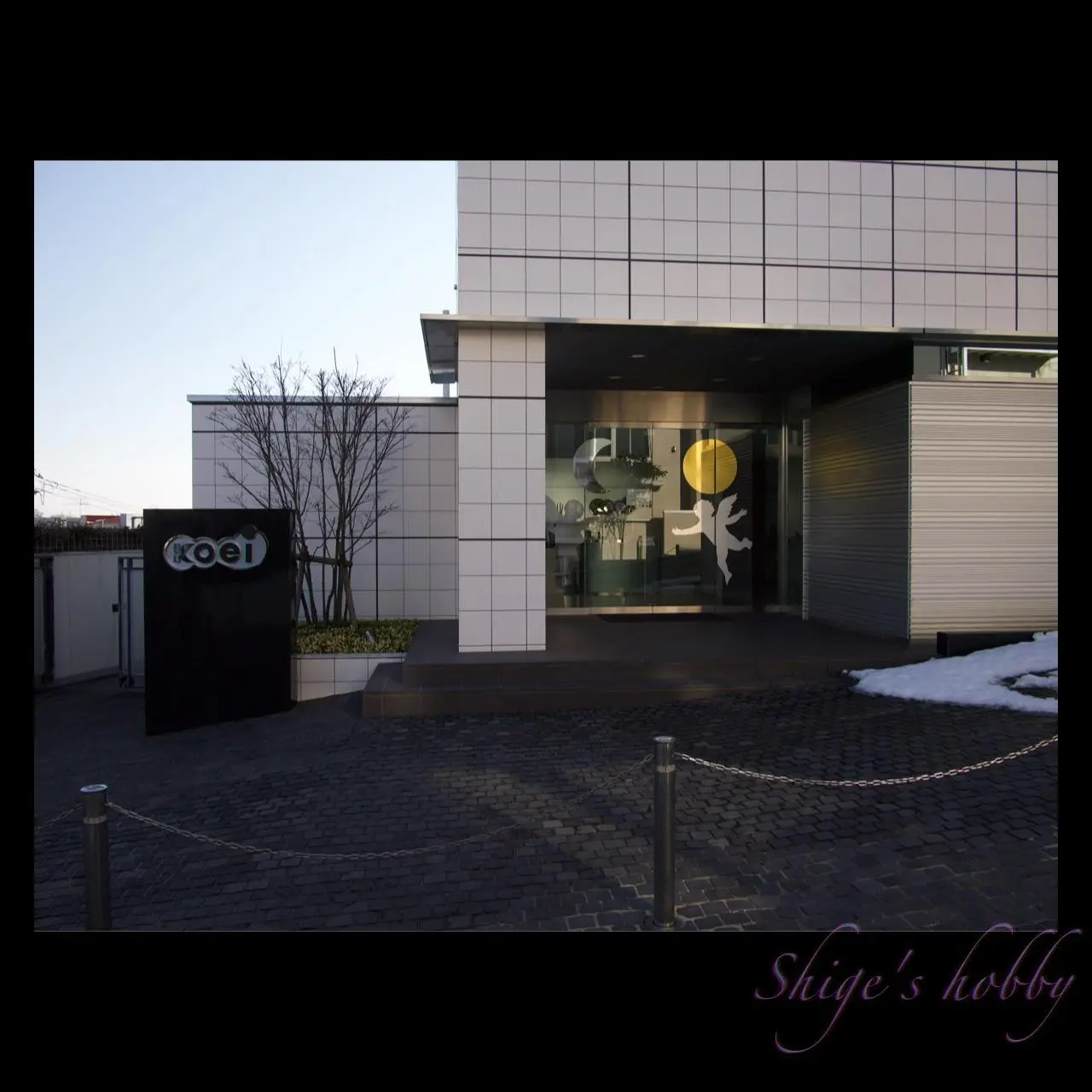
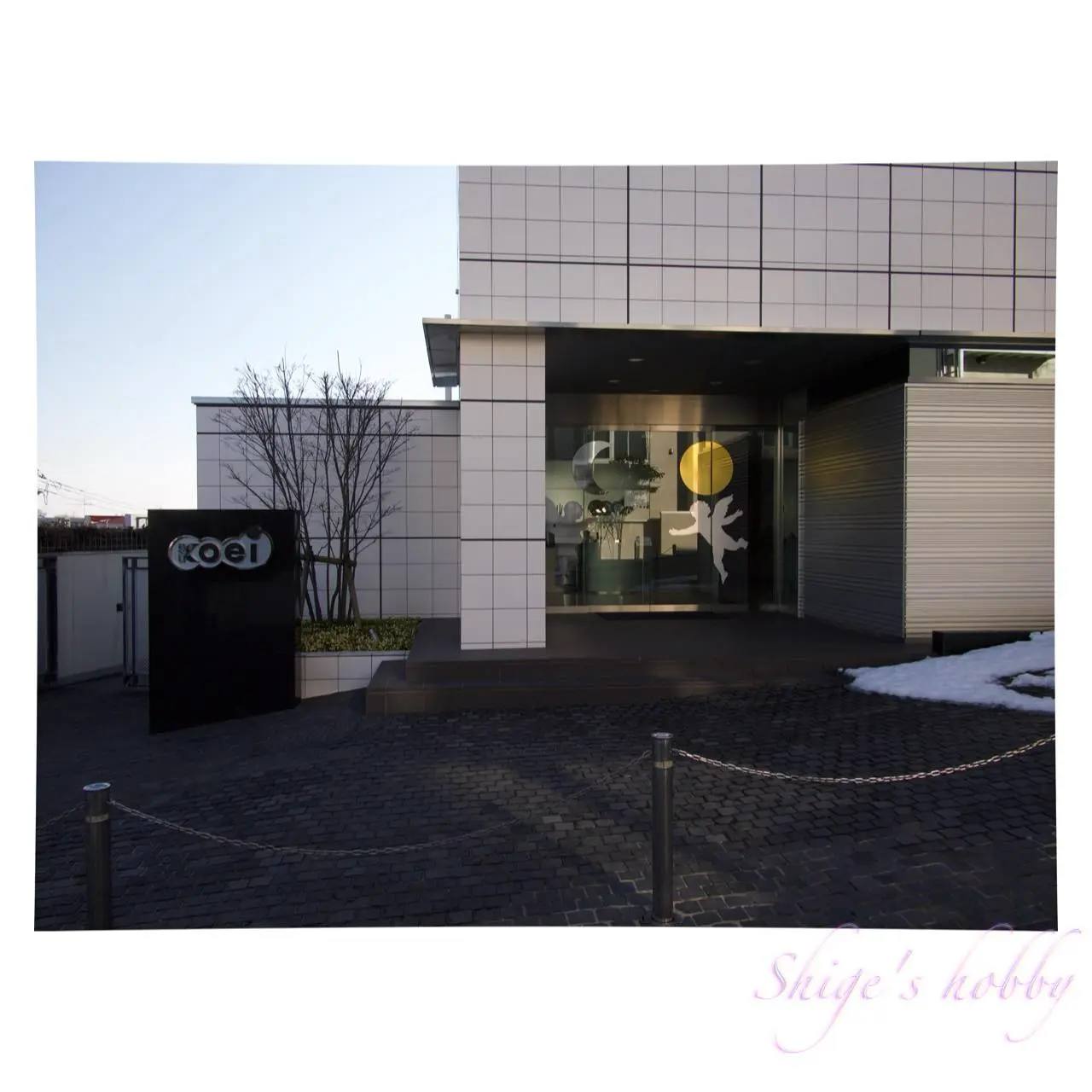
Finally, with a 14mm focal length lens (ultra-wide-angle on 35mm film), some peripheral distortion is unavoidable. Unfortunately, due to the lens’s compact design, distortion is noticeable even on the Micro Four Thirds sensor, which is a quarter the size of a 35mm film sensor. In the example below, approximately 3% barrel distortion is visible at a distance of about 10 meters. At close ranges of around three meters, the distortion will likely be more noticeable.
3.Summary
In summary, the Panasonic LUMIX G 14mm F2.5 (H-H014) is a thin, compact, highly portable, wide-angle lens. However, due to its compact design, noticeable distortion occurs during shooting. Therefore, if image quality is a priority, consider the DG-SUMMILUX 15mm, which offers superior image quality.
The sample images are from the older “Panasonic H-H014” model, but the successor lens, “H-H014A,” only differs in appearance. Therefore, the examples should still be useful.
Specifications, considerations, etc.
Panasonic and Olympus (OM System) have released three types of pancake lenses for Micro Four Thirds. All of the lenses are compact and have unique focal lengths (14 mm, 17 mm, and 20 mm). They are also inexpensive, so collecting them all would not be a significant financial burden.
However, the widest angle, 14mm, exhibits significant distortion, which diminishes the advantages of a prime lens. However, if this rendering is acceptable, using a 14mm starting zoom lens would be fine. The Panasonic Lumix G 14mm f/2.5 (H-H014) lens’s only advantage is its compact size.
| lens name | LUMIX G14mm H-H014 | LUMIX G 14mm H-H014A |
| Focal length | 14 | 14 |
| 35mm equivalent focal length (mm) | 28 | 28 |
| Max aperture | 2.8 | 2.8 |
| Min aperture | 22 | 22 |
| Leaf blade | 7 | 7 |
| Lens Construction | 5 groups, 6 elements (3 aspherical lenses) | 6 elements in 5 groups (3 aspherical lenses) |
| Min distance(m) | 0.18 | 0.18 |
| Lens length(mm) | 20.5 | 20.5 |
| Max diameter(mm) | 55.5 | Φ55.5 |
| Filter Size(mm) | 46 | 46 |
| Weight(g)(lens only) | 55 | 55 |
| Lens mount | Micro Four Thirds | Micro Four Thirds |
| Release date | 2010.10.8 | 2014.10.23 |
| Price(Yen/No-tax) | 47,500 | 47,500 |
Reference links
- PANASONIC LUMIX G 14mm F2.5
- PANASONIC LUMIX G 14mm F2.5 New
- PANASONIC LUMIX G 20mm F1.7
- PANASONIC LUMIX G 20mm F1.7 New
- OLYMPUS M.ZUIKO Digital 17mm F2.8
- M43 Pancake Wide-Angle Lens M.ZUIKO D 17mm F2.8・Shige’s hobby
寄付のお願い・Request for donations
Affiliate links
- PANASONIC LUMIX G 14mm F2.5(H-H014)・Ads by Amazon
- PANASONIC LUMIX G 14mm F2.5(H-H014)・Ads by Rakuten
- PANASONIC LUMIX G 14mm F2.5(H-H014)・Ads by Yahoo Shopping
- leica lens・Ads by Amazon
- OLYMPUS camera・Ads by Amazon

Update history
- 2026.5.28
- 2026.1.15
Be First to Comment