
A short report on using the SONY α NEX-C3 with the MS-OPTICS x MAPCAMERA REIROAL 35mm F1.4 lens mounted on the VM-E Close Focus Adapter II.
- Please see the disclaimer regarding advertising here.
- Italicized links in the text are advertisement links that take you to other sites.
- If you find any images used on this site problematic, please contact us via the comments or inquiry form, either as the rights holder or their representative. We will review the matter and take appropriate action.
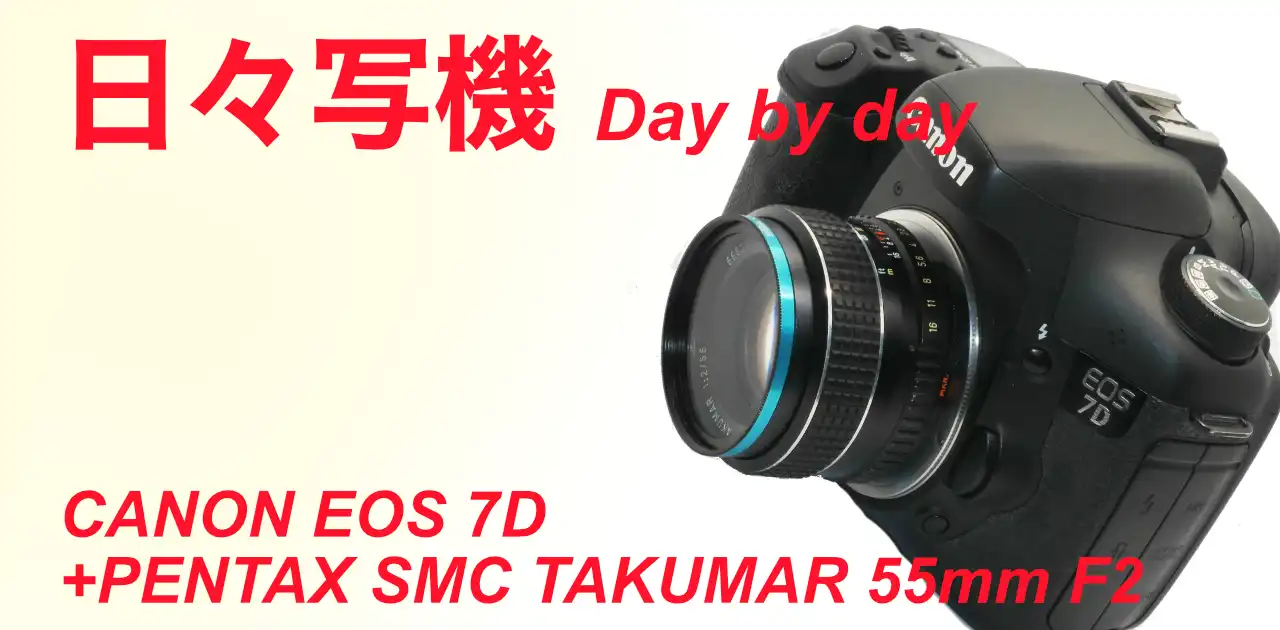
This time, the lens used is the “PENTAX SMC TAKUMAR 55mm F2,” which was sold in the 1970s. More details can be found in the link below, but it’s an inexpensive lens that can be purchased for around 5,000 yen.
When mounted on a Canon EOS 7D, the lens appears small. Prime standard lenses from this era are compact and easy to carry. Many of these lenses offer sufficient performance for APS-C size sensors, making them ideal for snapshots.
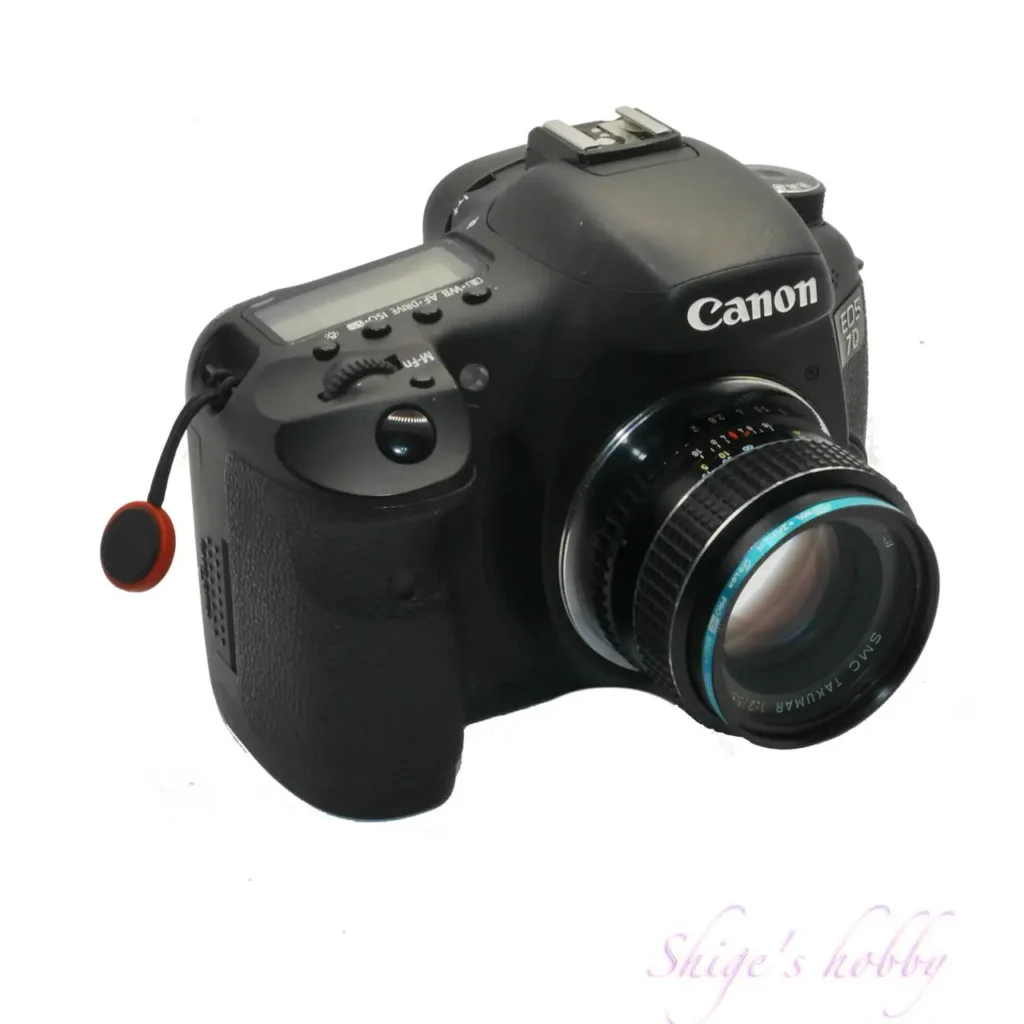
Since this is an M42 screw mount lens, you will need an EF-M42 mount adapter to use it with a Canon EOS 7D. Although Chinese-made adapters are available for around 1,000 yen, low-precision ones may get stuck in the camera. Therefore, it’s safer to use an adapter from a well-known manufacturer, even if it’s Chinese-made. Examples include those sold at Yodobashi Camera. This time, I’m using a K&F Concept adapter. It is equipped with a pin push plate that converts an automatic aperture lens to manual aperture control.
I plan to summarize this topic once I have accumulated more information on M42 mount lenses. There are tons of pages on M42 mount lenses on the web, so there’s no need to rush.
About the photo examples
The Canon EOS 7D has a smaller image sensor than 35mm film, so it cannot shoot at the original focal length of the lens, which is 55mm. The equivalent focal length in the 35mm film format is calculated by multiplying the focal length by the sensor size conversion factor. 55 mm x 1.6 = 88 mm.
In the first example image, the background is a sharp black, which makes the subject stand out. This effect is due to a combination of the sensor’s latitude, lens characteristics, and exposure. With digital photography, it is easier to create this kind of image because exposure can be reduced later. In this case, darkening the background slightly would enhance the atmosphere, but only straight development was performed.
“Latitude” represents the range of light and dark that the sensor can reproduce.
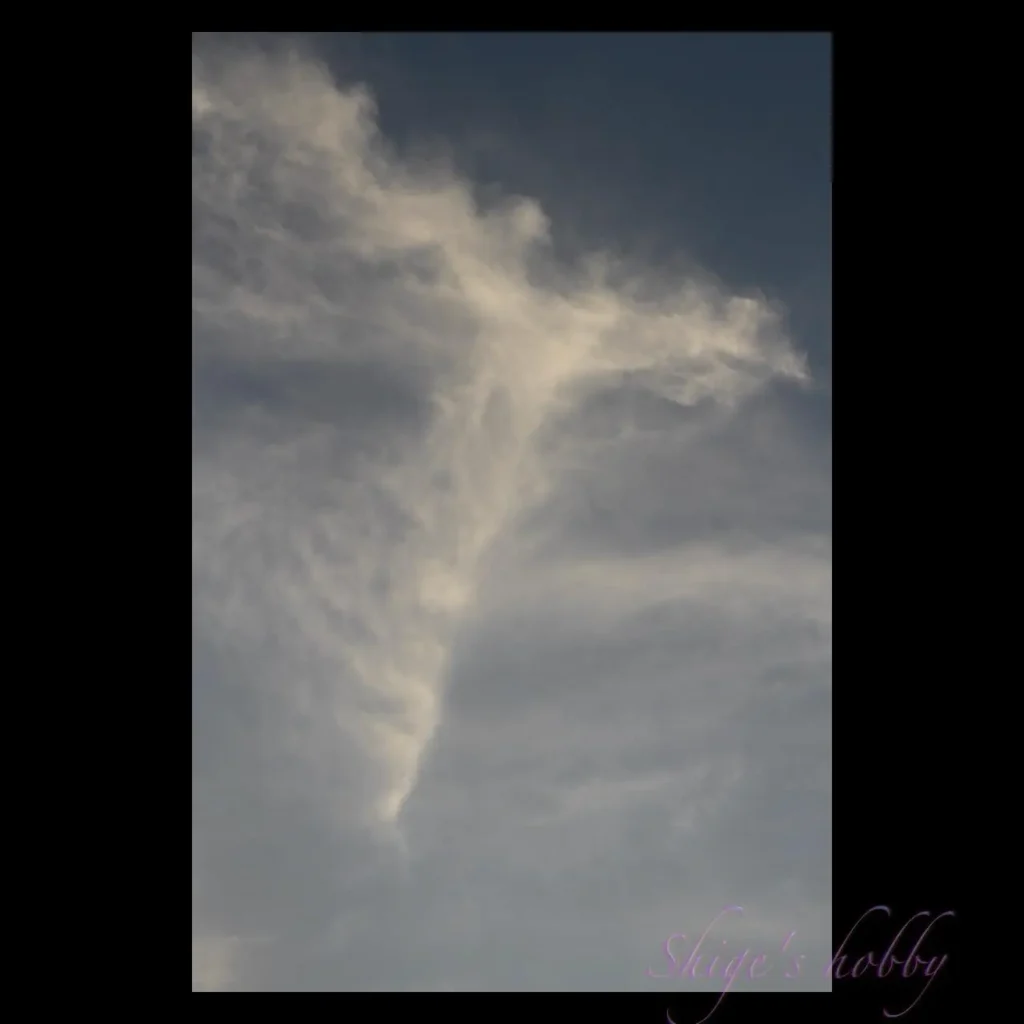
The second image was taken at infinity with the aperture stopped down to f/4. Even at F4, the image appears soft, likely due to the lens’s characteristics. Further stopping down probably wouldn’t improve the resolution.
The third example image shows a longhorn beetle photographed at a 0.45-meter minimum focusing distance. With a 55 mm focal length on 35 mm film, insects appear smaller, so the forced cropping feature of an APS-C size sensor camera is useful.


Reference links
- PENTAX SMC TAKUMAR 55mm F2
- CANON EOS 7D
寄付のお願い・Request for donations
Affiliate links
- PENTAX・Ads by Amazon
- CANON・Ads by Amazon
- PENTAX・Ads by Rakuten
- CANON・Ads by Rakuten
- PENTAX・Ads by Yahoo Shopping
- CANON・Ads by Yahoo Shopping

Be First to Comment