

Last updated on 2026-03-15
A short report on using the LEICA T typ701 with the KYOCERA (YASHICA) T AF-D 35mm M-Mount (modified by Ms-Optics).
The LEICA T typ701 + KYOCERA (YASHICA) T AF-D 35mm lens measures 134mm wide, 69mm high, and 60mm deep at the lens mount. While the dimensions are fairly large, the 60mm thickness makes it easy to store in a bag. The combined weight of the camera and lens is just under 450g, making it easy to carry with one hand.
To give an overview of the camera and lens, the LEICA T typ701 is a mirrorless camera released in 2011 and equipped with a 16-megapixel APS-C size sensor, while the KYOCERA (YASHICA) T AF-D 35mm is a lens originally installed in an AF-D compact film camera modified by Ms-Optics for a Leica M mount. While this lens is compatible with Leica M-mount rangefinders, this functionality is rendered meaningless when shooting with a mirrorless camera.
This lens has a focal length of 35mm for 35mm film, but when used with the LEICA T typ701, which has an APS-C size sensor smaller than 35mm film, it becomes equivalent to a focal length of 52.5mm, allowing you to shoot with the feeling of using a 50mm standard lens.
The mount adapter connecting the camera and lens is the LIGHT LENS LAB M-L Macro, which shortens the minimum focusing distance. This is one of the great benefits of mirrorless cameras, as you can check the captured image on the LCD display.
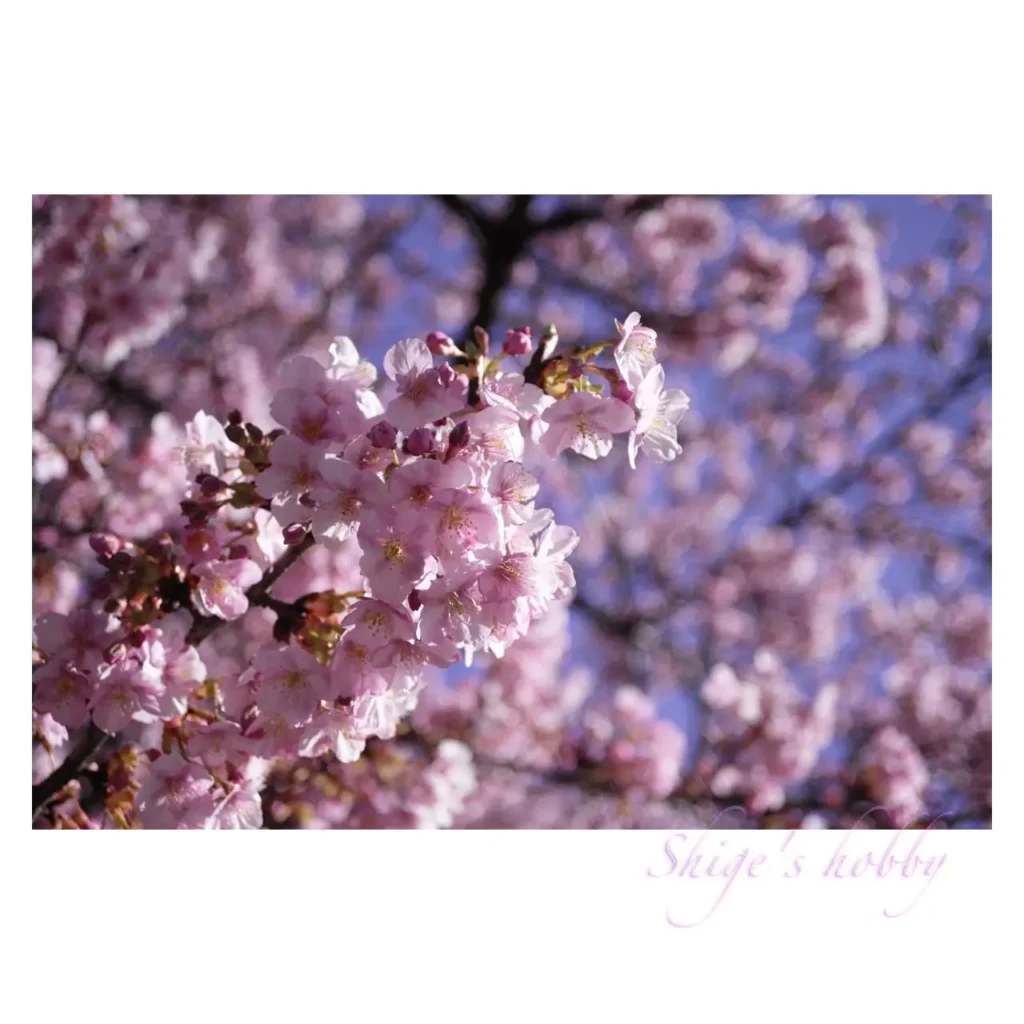
The photo below was taken with the mount adapter’s auxiliary helicoid extended to take a close-up shot.
The image of the plum blossoms was taken at the widest aperture of f/3.5. Normally f/3.5 is not an aperture that produces much bokeh, but because it was taken close up, the petals in the background, which are far away from the foreground focus point, are blurred, as if melting into a melting blur. The bokeh is a little hard, but not unpleasantly so.
This lens has a simple Tessar lens configuration with four elements in three groups, and is an evolution of the triplet lens with three elements in three groups. Triplet lenses have the advantage of sharp, clear images due to the small number of elements, high resolution in the center with the image gradually disintegrating towards the periphery, and minimal distortion, which can produce dramatic images when matched with the subject.
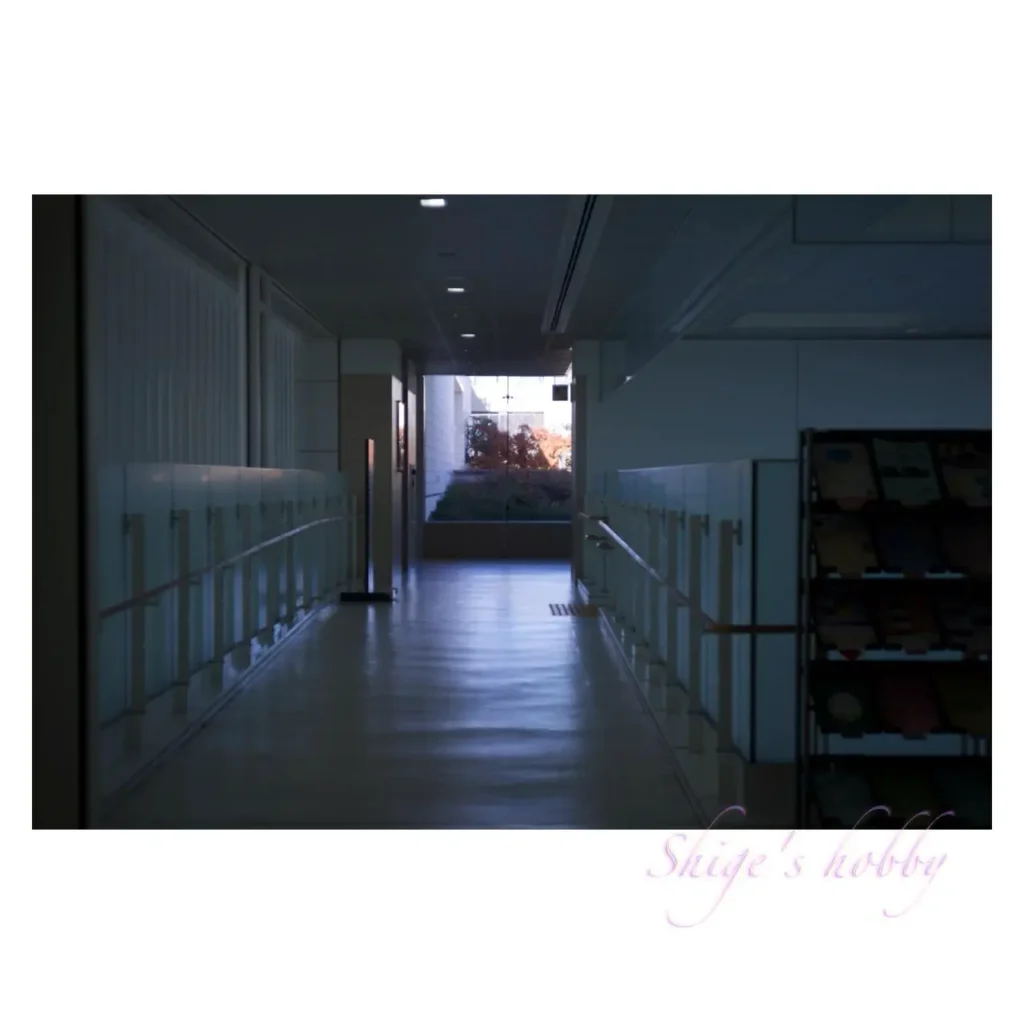
As expected, when used with a camera equipped with a 35mm full-frame (full-size) sensor, roughness at the edges is often noticeable, so this lens is better suited to use with an APS-C size sensor.
When it comes to experts on triplets, one must mention Sadayasu Miyazaki of Ms-Optics. He is a designer who has pushed the limits of triplet lenses, and has released ambitious wide-angle lenses with focal lengths of 21mm, 24mm, 28mm, and 35mm. I plan to compile a separate page on triplet lenses.
This lens is popular overseas, and I occasionally receive emails asking me to sell it, but I keep it on hand as its unique compactness offers a unique appeal.
Reference links
- LEICA T typ701・Shige’s hobby
- Leica M-mount Compact Tessar C.Z TESS 35mm・Shige’s hobby
- Ms-optics lens list・Shige’s hobby
寄付のお願い・Request for donations
Affiliate links
- LEICA T typ701・Ads by Amazon
- KYOCERA(YASHICA) T AF-D 35mm・Ads by Rakuen
- LIGHT LENS LAB M-L Macro・Ads by Amazon
- Ms-optics・Ads by Amazon
- Ms-optics related products・Mercari Ambassador

Be First to Comment