
Last updated on 2026-04-20
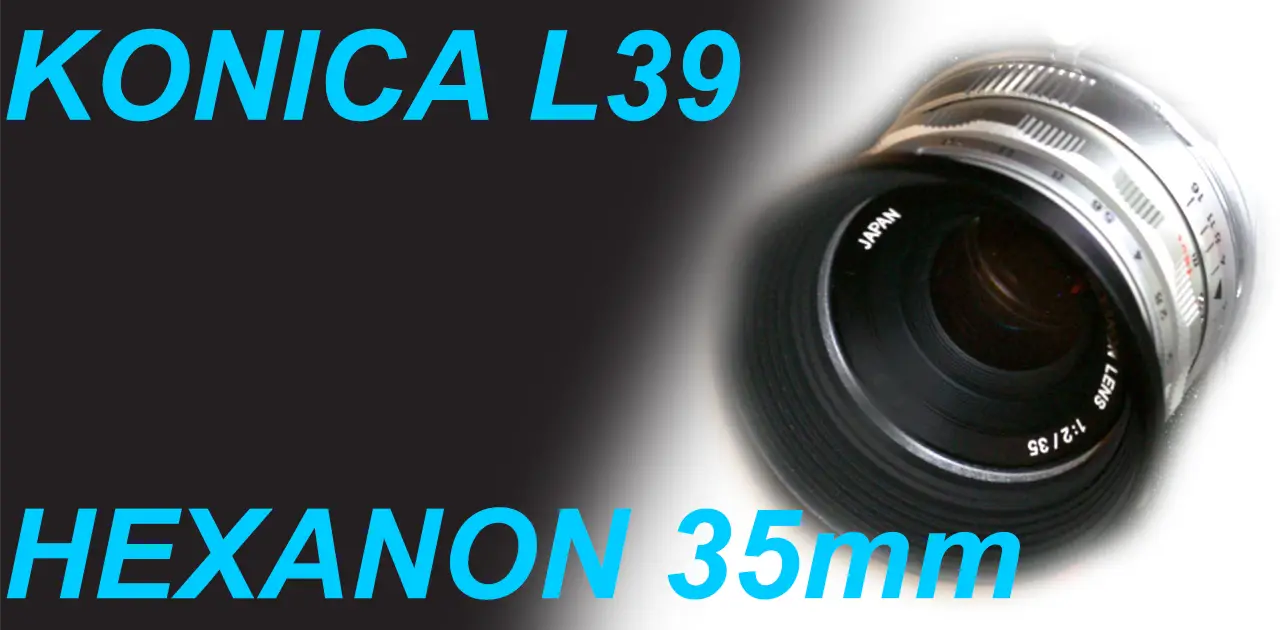
A review and sample photos of the KONICA L39 HEXANON 35mm F2 (silver barrel) used with a Leica M digital camera and a film camera.
- Please see the disclaimer regarding advertising here.
- Italicized links in the text are advertisement links that take you to other sites.
- If you find any images used on this site problematic, please contact us via the comments or inquiry form, either as the rights holder or their representative. We will review the matter and take appropriate action.
Table of contents

Gallery
The following cameras were used to take the example photos. Click on the photos to enlarge.
- HEXAR RF +FUJI Fortia 50
- LEICA M9
- LEICA M8
- EPSON R-D1
- SONY α NEX-3
Review
1.Overview
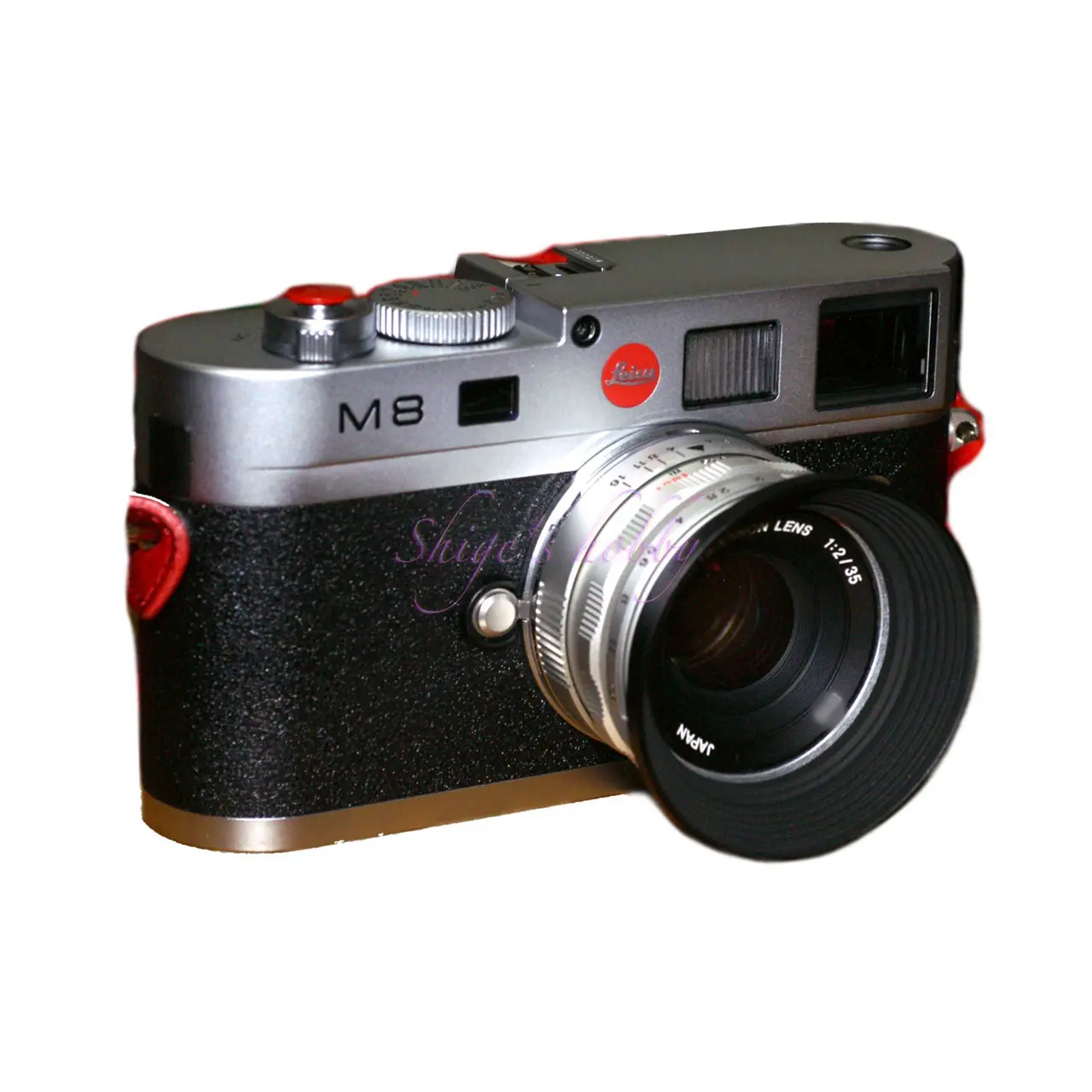
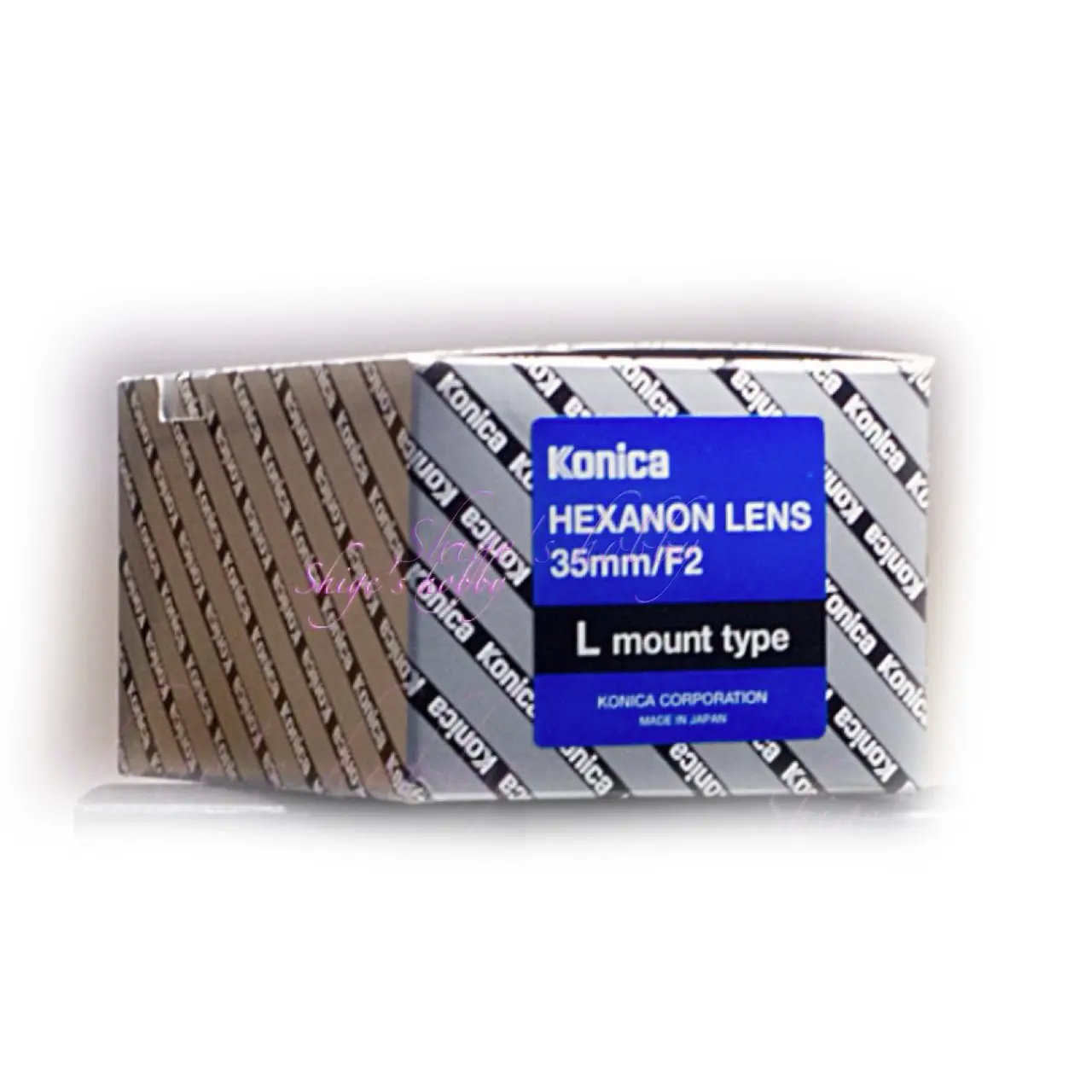
The Hexanon 35mm L39 Silver is a Leica L39 screw mount lens that was planned by Fujisawa Shokai and produced in a limited run of 1000 by converting the lens attached to the Konica Hexar to the L39 mount.
The lens is made up of 7 elements in 6 groups, with a minimum shooting distance of 0.9m and an aperture of F2.
The lens is described as a modified Xenotar type in the reference link “Leica Lenses of the World Part 2 P60/Shashin Kogyo Publishing”. This is also true when you look at the description of the W-Nikkor 3.5cm F1.8, which is said to be a very similar lens, in “Symmetrical Large Aperture Wide-Angle Lens W-Nikkor 3.5cm F1.8 – Tales of Nikkor One Thousand and One Nights”.
The lens hood is a 46mm screw-in trumpet-type hood, and a protective cap is included with the lens hood.
The filter diameter is 46mm, and general filters with a pitch of 0.5mm can be used.
2.Usability
The Hexanon 35mm L39 Silver offers both old and modern lens characteristics: a slightly soft image at full aperture but crisp when stopped down, making it versatile and compatible with both film and digital cameras.
The aperture ring at the tip is easy to operate, with click-stops every half stop providing a satisfying fit, and the helicoid has the smooth feel you expect from a manual focus lens.
This lens’s weak point is its minimum focusing distance of 0.9m, which is not improved even by its successor, the black UC Hexanon 35mm. (I seem to remember reading somewhere that the UC Hexanon can be extended beyond the stated 0.9m, allowing you to get closer to the subject, but I couldn’t find any information on this, so I must be mistaken.)
When using this 0.9m specification with modern mirrorless cameras, the minimum focusing distance can be shortened by using a mount adapter with an auxiliary helicoid, so this is one way to solve this problem.
The silver exterior lens matches well with both the black and silver chrome bodies, and I used it for a long time with M-type Leica bodies such as the EPSON R-D1, LEICA M8, LEICA M9, and HEXAR-RF Limited.
■Film rangefinder camera
I used this lens with the KONICA HEXAR-RFm BESSA-R, a Leica M-compatible rangefinder camera.
When using this lens with an M-type Leica or compatible camera, an M-L mount adapter is required, and I used a 35/135mm M-L mount adapter when using the lens.
I used it with a variety of film types, including color reversal, color negative, and black and white, and with each type, the lens brought out the characteristics of the film well without overstating the lens’s individuality.
■Digital rangefinder camera
The LEICA M9 is a digital rangefinder camera equipped with an 18-megapixel 35mm full-frame sensor. The lens’s focal length is the same as that of the film camera, so the shooting experience is similar.
The LEICA M8 is a digital rangefinder camera equipped with a 10-megapixel APS-H sensor. Because the sensor size is smaller than 35mm film, the actual focal length when shooting is multiplied by a conversion factor of 35mm * 1.33 = 47mm, giving the feeling of shooting with a slightly wider standard lens.
The EPSON R-D1 is a digital rangefinder camera equipped with a 6-megapixel APS-C sensor. Because the sensor size is smaller than 35mm film, the actual focal length when shooting is multiplied by a conversion factor of 35mm * 1.5 = 53mm, giving the feeling of shooting with a standard lens.
When shooting with a digital rangefinder camera without displaying a preview, the subtle difference between the feeling when shooting and the results is similar to that of using a film camera.
This lens has ample space for a 35mm full-frame sensor, and the results for cameras with smaller sensors are taken in the center of the lens where the image is best, so the overall image appears to have a higher resolution.
■ Mirrorless camera
The α NEX-3 is a mirrorless camera equipped with a 14-megapixel APS-C sensor. Because the sensor size is smaller than 35mm film, the actual focal length during shooting is calculated by multiplying it by a conversion factor of 35mm * 1.5 = 53mm. While it has the same sensor size as the R-D1, the experience of focusing using the rangefinder is very different from the experience of shooting using the rear LCD monitor.
The lens performs well enough for the 14-megapixel sensor, which has the second-highest resolution and narrowest pixel pitch of the cameras we used, as can be seen in the cat’s fur in the example photo.
Although this is an early mirrorless camera that does not have an electronic viewfinder, accurate focus can be achieved by using the magnification function on the rear LCD monitor.
3.Summary
To sum up the Hexanon 35mm L39 Silver, it’s a lens that uses modern manufacturing and coating techniques to renew an old lens design, making it a good choice if you want to enjoy the feel of an old lens with modern technology. There is also a UC version that is more compact than the silver barrel, but the lens design is the same, so the lens image quality is roughly the same.
In the 2020s, when they occasionally appear on the used market, ones in good condition can go for around 200,000 yen, so unless you have a particular reason for choosing it, such as a KONICA fan or a preference for the style, it’s not one that would be worth the price.
Specifications, considerations, etc.
All Konica L39 screw-mount lenses, including this lens, were sold in limited quantities.
The silver HEXANON 35mm was released in a limited run of 1,000. However, at the time this lens was released, selling 1,000 units of a Leica L/M-compatible lens was considered quite successful, and even if a lens was labeled as limited, it would remain available in camera stores for a long time as new or used items. The lens I purchased was nearly new, with the box and all accessories included. According to my own records, I purchased it in 2005 for around the list price.
The HEXANON 35mm L39 Silver and the UC HEXANON 35mm L39 Black have the same lens configuration, differing only in lens length, so I will compare them with the later six-element Summicron.
The difference between the Summicron’s traditional Double Gauss design and the HEXANON’s Xenotar design is clearly visible. The lens barrel size of the HEXANON is slightly larger, but is nearly identical.
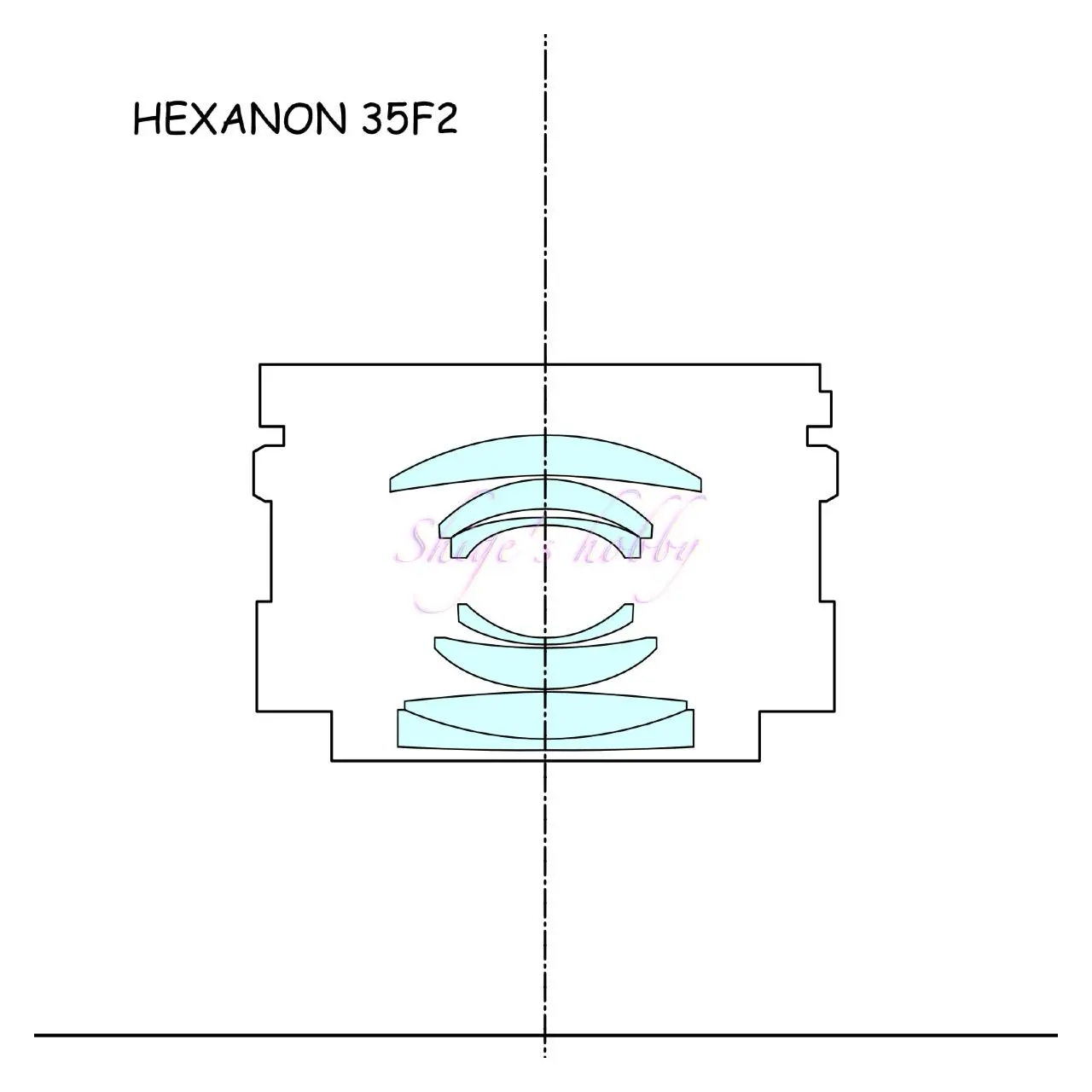
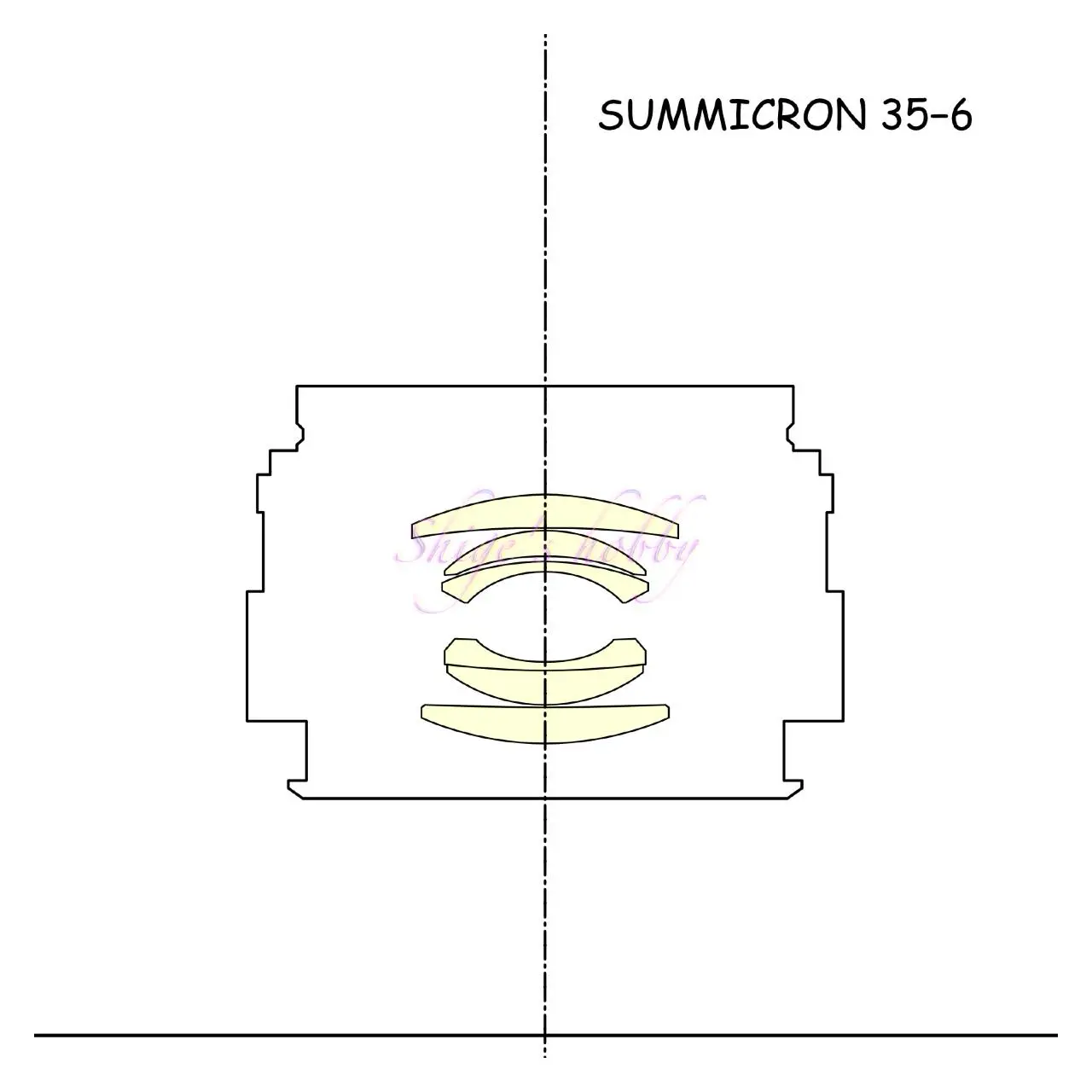
- The lens configuration diagrams are quoted from the handouts of each company, and the sizes have been adjusted here, so they are not exact.
| Item | L HEXANON Silver | UC-HEXANON Black | SUMMICRON 35-6 late |
| focal length(mm) | 35 | 35 | 35(mm) |
| Maximum aperture | 2 | 2 | 2 |
| Minimum aperture | 16 | 16 | 16 |
| Leaf blade | 10 | 10 | 10 |
| Lens configuration | 7 elements in 6 groups | 7 elements in 6 groups | 6 elements in 4 groups |
| Minimum distance(m) | 0.9 | 0.9 | 0.7 |
| Lens length(mm) | 28.5 | 27.3 | 30 |
| Lens max diameter(mm) | 54 | 51 | 51 |
| Filter type | 46 | 43 | E39 |
| Weight(g) | 145 | 120 | 179 |
| Hood | Trumpet type, screw-in | Slitted cylinder, screw-in | IROOA |
| Lens mount | KL | KL | M |
| Production numbers | 1996 | 2001 | 1972〜1977 |
| Release date | 1,000 | 1,000 | 15,620 |
| Price | ¥78,000 | ¥114,000 | – |
Reference links
- KONICA @ wiki About Konica LTM lenses (Japanese)
- Leica Lenses of the World Part 2 P60/Photographic Industry Publishing・Ads by Amazon
- Everything about the Leica M – A thorough look at the appeal of the Leica M body and lenses・This lens is introduced on page 88. Ad by Amazon
- There is a short description of the UC version in Leica Tsuushin No.5, p.105.・Ads by Amazon
- Symmetrical large aperture wide-angle lens W-Nikkor 3.5cm F1.8・Nikkor Thousand and One Nights
- LEICA SUMMICRON 35mm 6-element lens・Shige’s hobby
- LEICA M10・Shige’s hobby
- LEICA M-P typ240・Shige’s hobby
- LEICA M typ240・Shige’s hobby
- LEICA M9・Shige’s hobby
- LEICA M8・Shige’s hobby
- Ms-Optics Sonnetar 50mm F1.1・Shige’s hobby
- Voigtlander NOKTON 50mm F1.1・Shige’s hobby
- Ms-Optics GA-ISM 50mm F1・Shige’s hobby
寄付のお願い・Request for donations
Affiliate links
- Leica lens・Ads by Amazon
- Konica lens・Ads by Amazon

Update history
- 2025.12.2
- 2025.4.27
- 2024.03.01:Update the article
- 2022.05.17:First draft
Be First to Comment