
Last updated on 2026-05-11
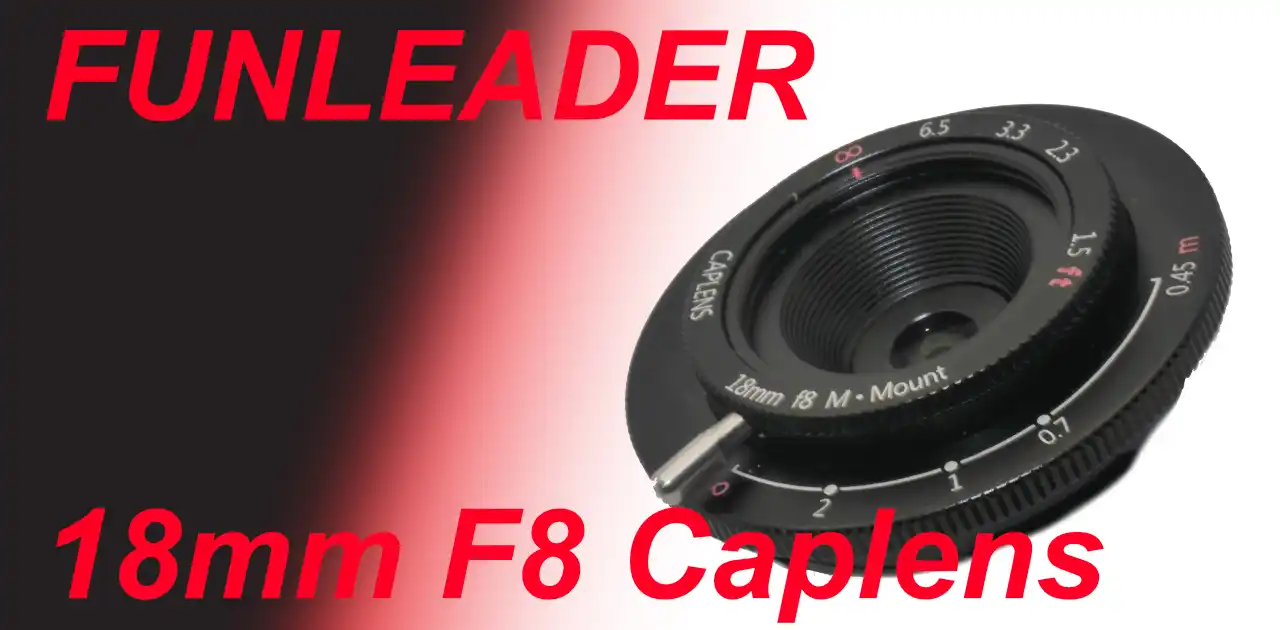
A review and sample photos of the FUNLEADER 18mm F8 CAPLENS Leica M-mount fixed f/8 ultra-wide-angle lens used with the LEICA T typ701 mirrorless camera (APS-C size sensor) and the HASSELBLAD X2D-100C (medium format digital sensor).
- Please see the disclaimer regarding advertising here.
- Italicized links in the text are advertisement links that take you to other sites.
- If you find any images used on this site problematic, please contact us via the comments or inquiry form, either as the rights holder or their representative. We will review the matter and take appropriate action.
Table of contents

Gallery
The following cameras were used to take the example photographs:
- LEICA T typ701
- HASSELBLAD X2D-100C(35mmフィルム判にトリミング)
Review
1.Overview
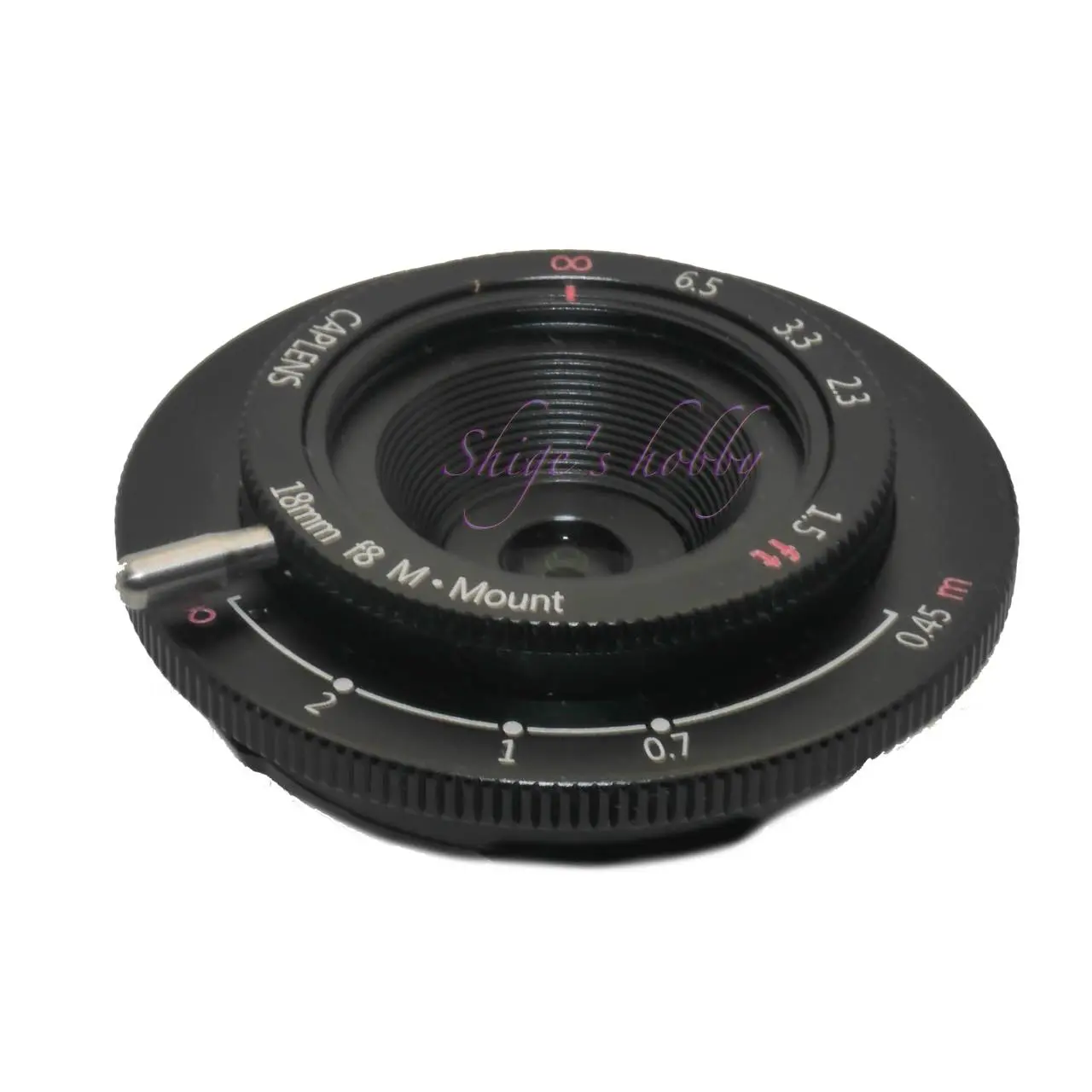
The FUNLEADER 18mm F8 CAPLENS is a lens released by FUNLEADER for Leica M-mount, with a fixed focal length of 18mm and an aperture of F8.
The main specifications are as follows, with further details described in the specifications and analysis section.
- Fixed aperture: F8
- Minimum focusing distance: 0.45m
- Not coupled to Leica M-type rangefinders
- Click stop at 1m focusing distance
2.Usability
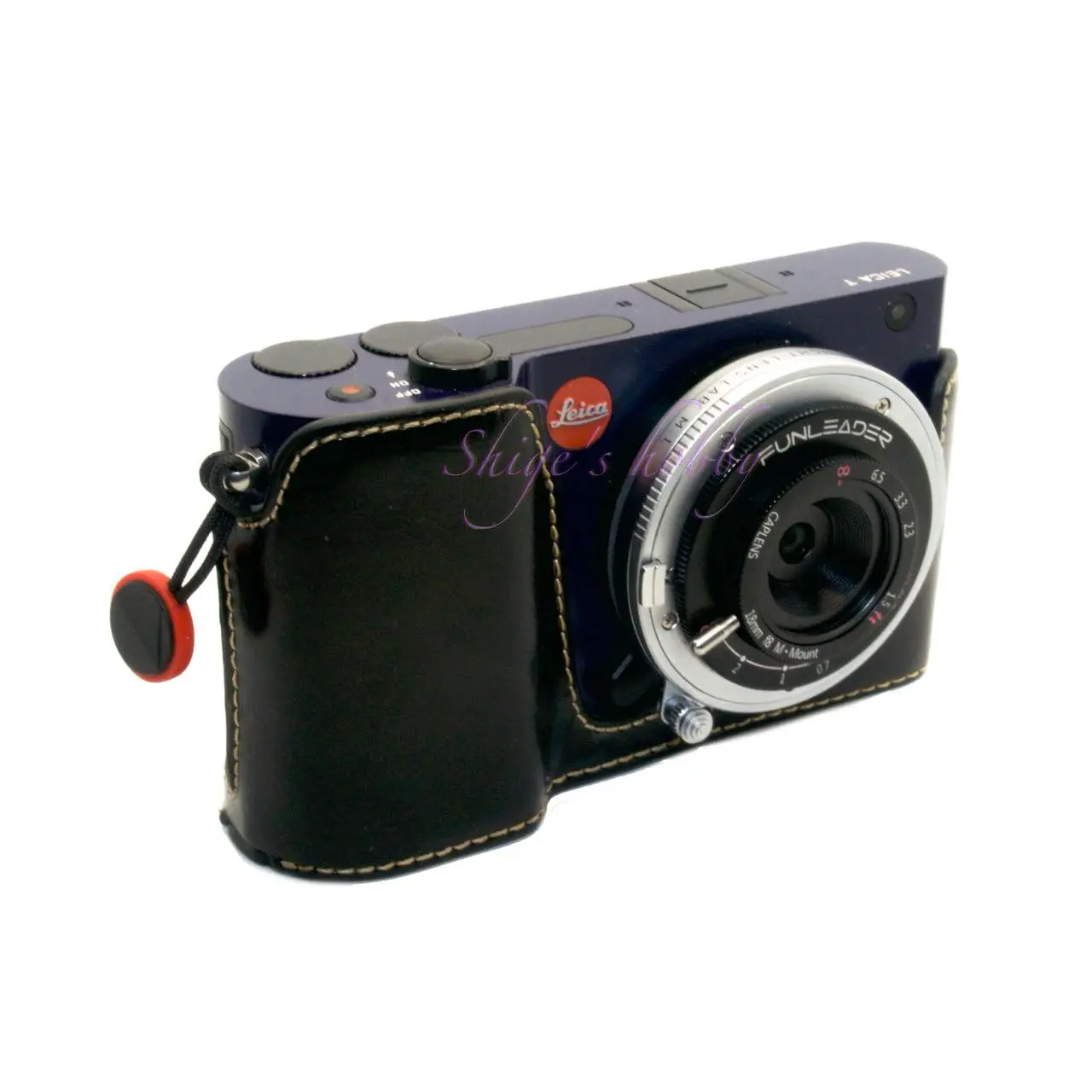
The FUNLEADER 18mm F8 CAPLENS, as its name suggests, is a thin and compact lens, almost like a lens cap, and hardly changes the size of the camera, making it very portable.
With a fixed focal length of 18mm and an aperture of F8, if you set it to around 1 meter (where the click stop is located), you can achieve almost pan-focus images when shooting with film. However, because digital cameras have excessive sharpness compared to film cameras, if you don’t set the distance to a certain extent, the image will appear blurry. Therefore, with mirrorless cameras, you need to carefully capture the desired subject using the LCD monitor or electronic viewfinder.
While the lens has a focal length of 18mm on a 35mm film format, the LEICA T typ701, equipped with an APS-C size sensor, has a smaller sensor size than 35mm film format. Therefore, the effective focal length becomes equivalent to 27mm when the sensor size is converted using a 1.5 conversion factor.
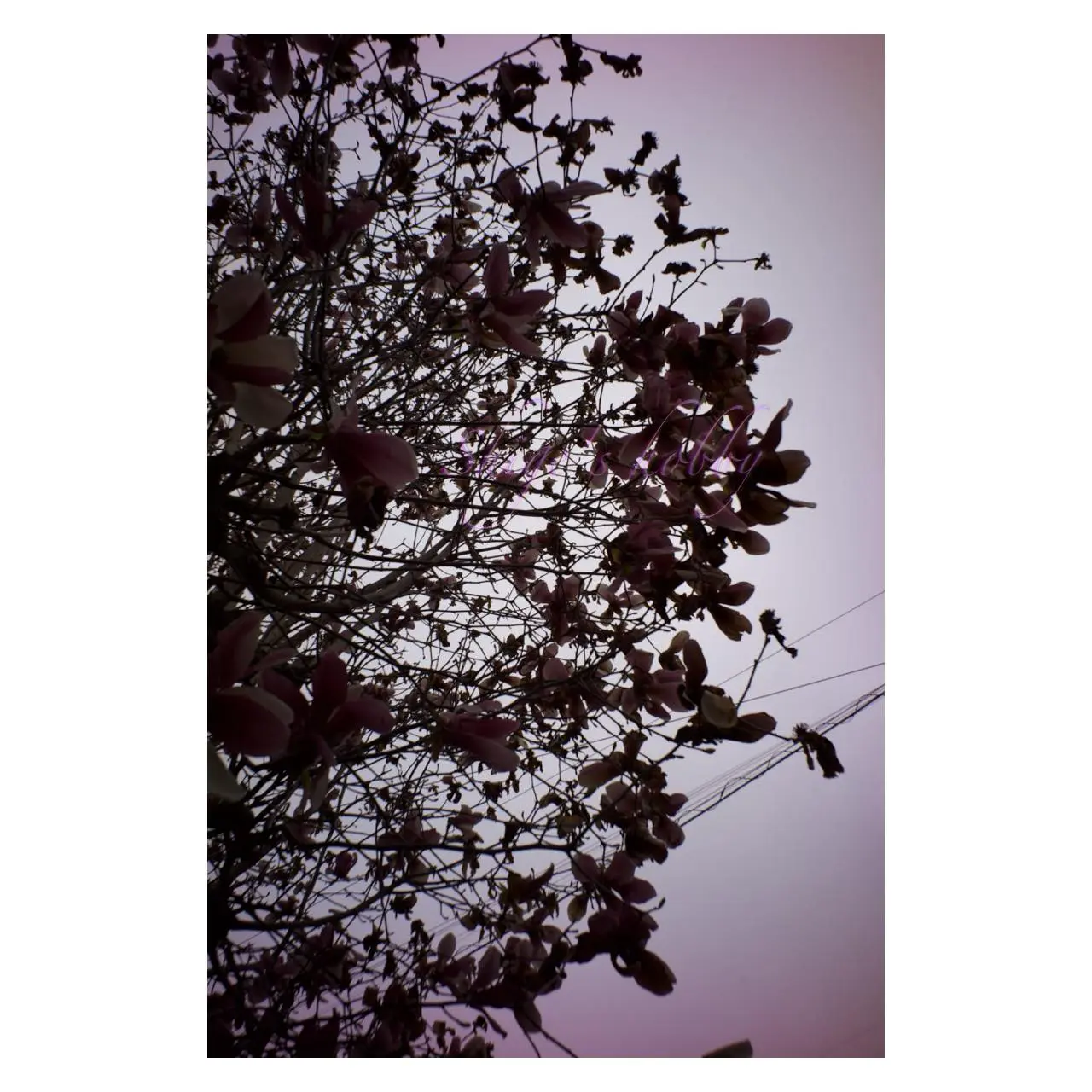
Furthermore, some digital cameras exhibit color cast, where the edges of the image shift to a Magenta color. Both the LEICA T typ701 and the SONY α NEX-C3, used in this test, exhibit this Magenta shift at the edges despite having smaller sensor sizes than 35mm film. This isn’t a problem for monochrome photography, but if you primarily plan on color photography, you need to check the compatibility between your camera and lens.
Based on past experience, M-type Leica digital cameras equipped with 35mm full-frame sensors, such as the LEICA M9, LEICA M typ240, and LEICA M10, are highly likely to exhibit color cast at the edges.
Below are example photos showing color cast.
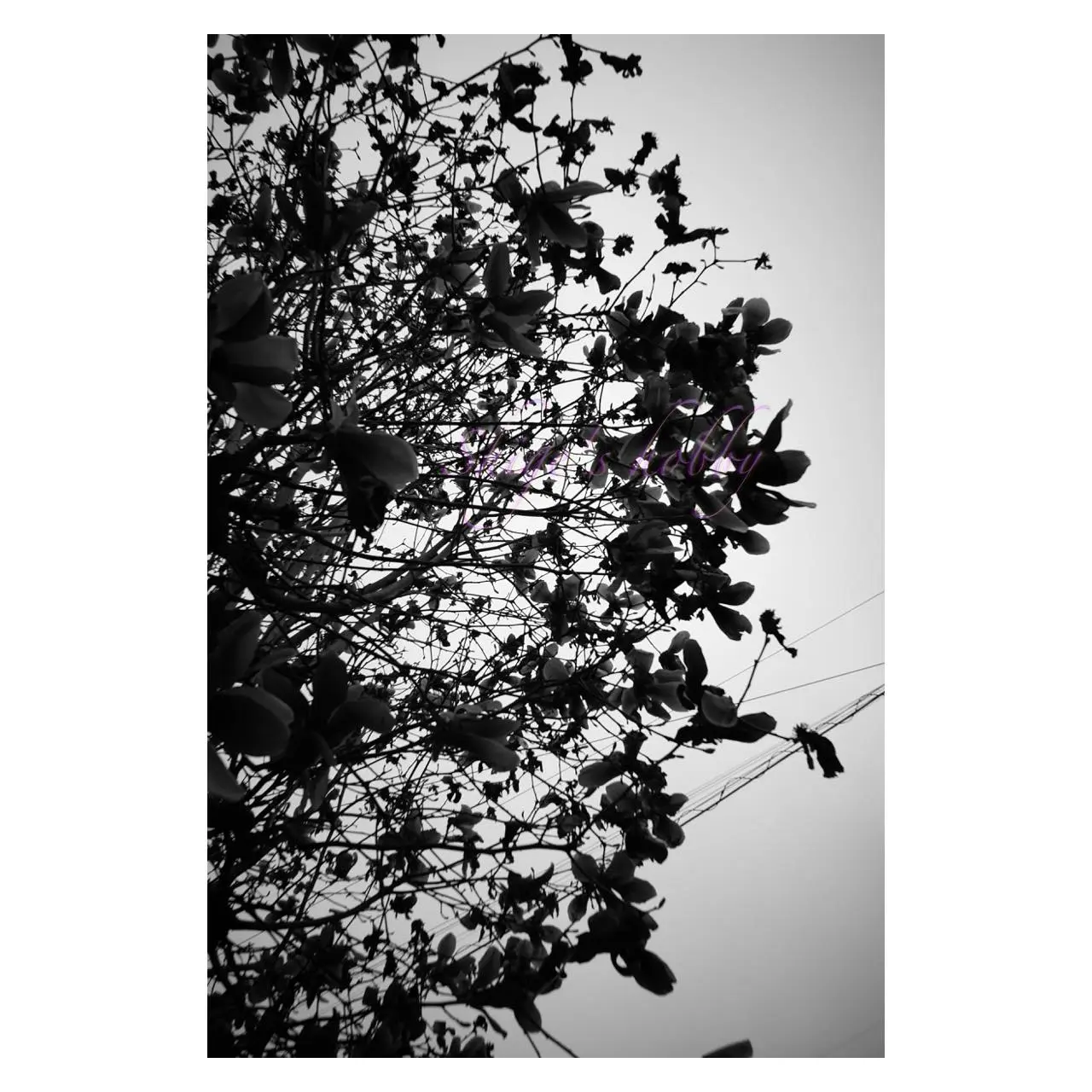
Of the cameras I own, the only one that doesn’t exhibit color cast at the edges is the HASSELBLAD X2D-100C. Despite having a medium-format digital sensor larger than a 35mm full-frame sensor, it shows no color distortion at the edges.
However, in the example below, the outermost image is the result of shooting with the medium-format digital sensor. The significant vignetting in the result indicates that it doesn’t cover the 44mm x 33mm area of the medium-format digital sensor. This is a natural consequence of using the lens beyond the manufacturer’s intended shooting range.
The focal length for shooting with the medium-format digital sensor of the HASSELBLAD X2D-100C is equivalent to 14.4mm (0.8x the sensor’s conversion factor), but as mentioned above, this focal length is not practically usable.
The 35mm film format shooting range that the manufacturer claims this lens supports is the area inside the inner red frame in the example below. Even from this result, vignetting is visible at the edges, meaning that when shooting the sky, vignetting is noticeable even with a camera equipped with a 35mm full-frame sensor.
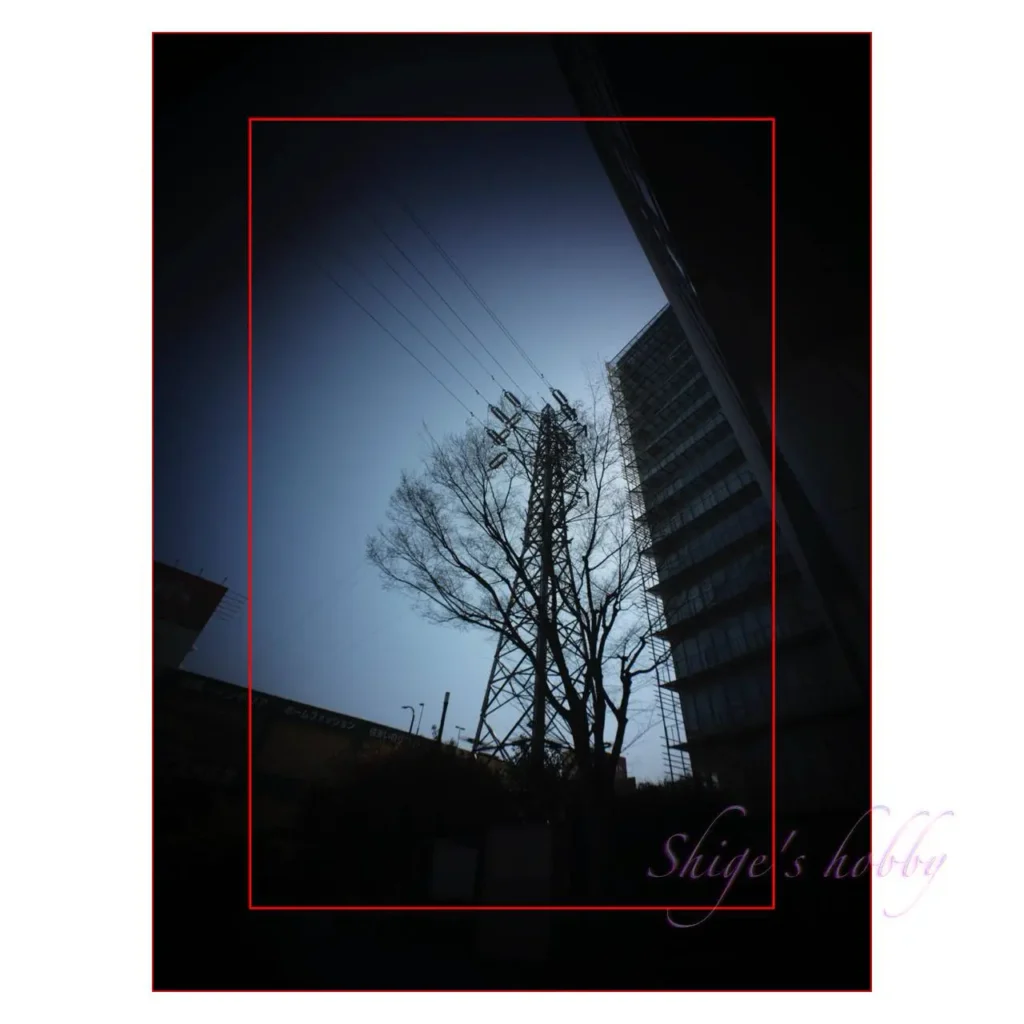
Furthermore, even with cameras equipped with smaller APS-C size sensors, vignetting is visible when photographing the sky, making this lens unsuitable for shooting where uniform light distribution across the edges of the image is desired.
Also, as is common with such inexpensive ultra-wide-angle lenses, backlighting results in flare and ghosting, as shown in the third example image. While this unintended light reflection is not a problem in front-lit situations, care must be taken regarding how light enters the lens.
Regarding image quality, distortion can be noticeable with grid-like subjects, potentially leading to dissatisfaction when aiming for straight lines. This is likely due to the lens design, and the distortion is unique, making correction somewhat difficult.
Although I haven’t actually used it, I suspect it performs adequately with monochrome film and ISO 400 negative film. I plan to test its performance with a film camera at some point.
3.Summary
The FUNLEADER 18mm F8 CAPLENS is an affordable lens that allows you to enjoy ultra-wide-angle photography.
However, it has the following three drawbacks, so you should consider whether they will be a problem for your shooting purposes:
- Significant vignetting
- Color cast visible at the edges on some cameras
- Distortion visible in straight lines when photographing grid-like subjects
Specifications, considerations, etc.
I own the following lenses, which have specifications similar to the FUNLEADER 18mm. While these lenses belong to the same category of ultra-wide-angle lenses, their lens configurations are quite different. I believe the FUNLEADER is a retrofocus type, similar to the MS-OPTICS PERAR 17mm.
- CONTAX G HOLOGON 16mm F8 (Hologon type)
- MS-OPTICS PERAR 17mm F4.5 (Retrofocus type)
- MS-OPTICS HIPOLION 19mm (F8-16) (Hypergon)
This demonstrates that ultra-wide-angle lenses, if brightness isn’t a primary concern, can be achieved using very compact lens barrels and various lens design techniques.
Even for rangefinder camera lenses, achieving a brightness of around F2.8 in ultra-wide-angle lenses results in larger lens barrels. Therefore, having such options available, prioritizing portability, is very beneficial.
The lens configuration diagram below shows, from left: HOLOGON 16mm F8, center: MS-OPTICS PERAR 17mm, and right: FUNLEADER 18mm. You can slide to compare the lens configurations.
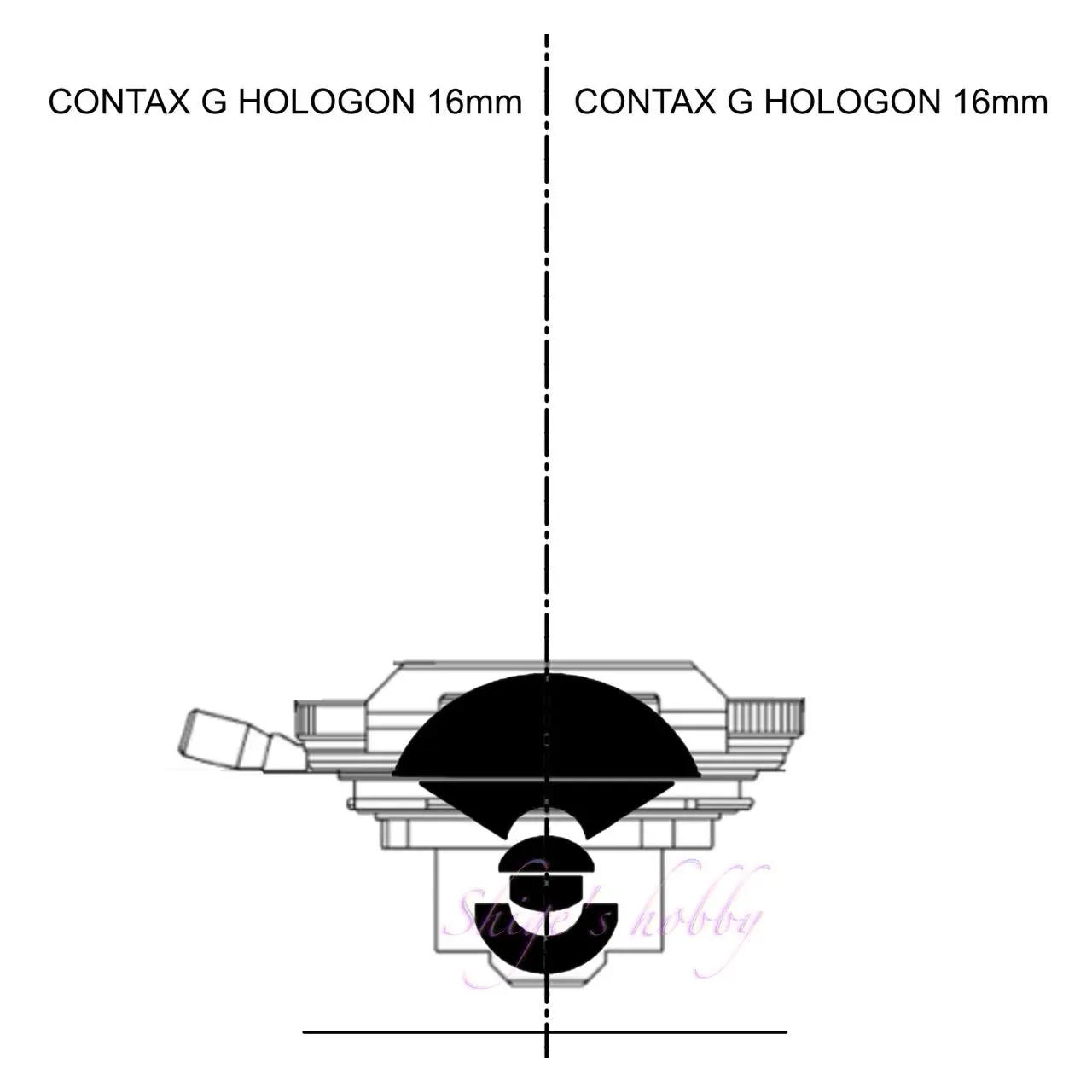
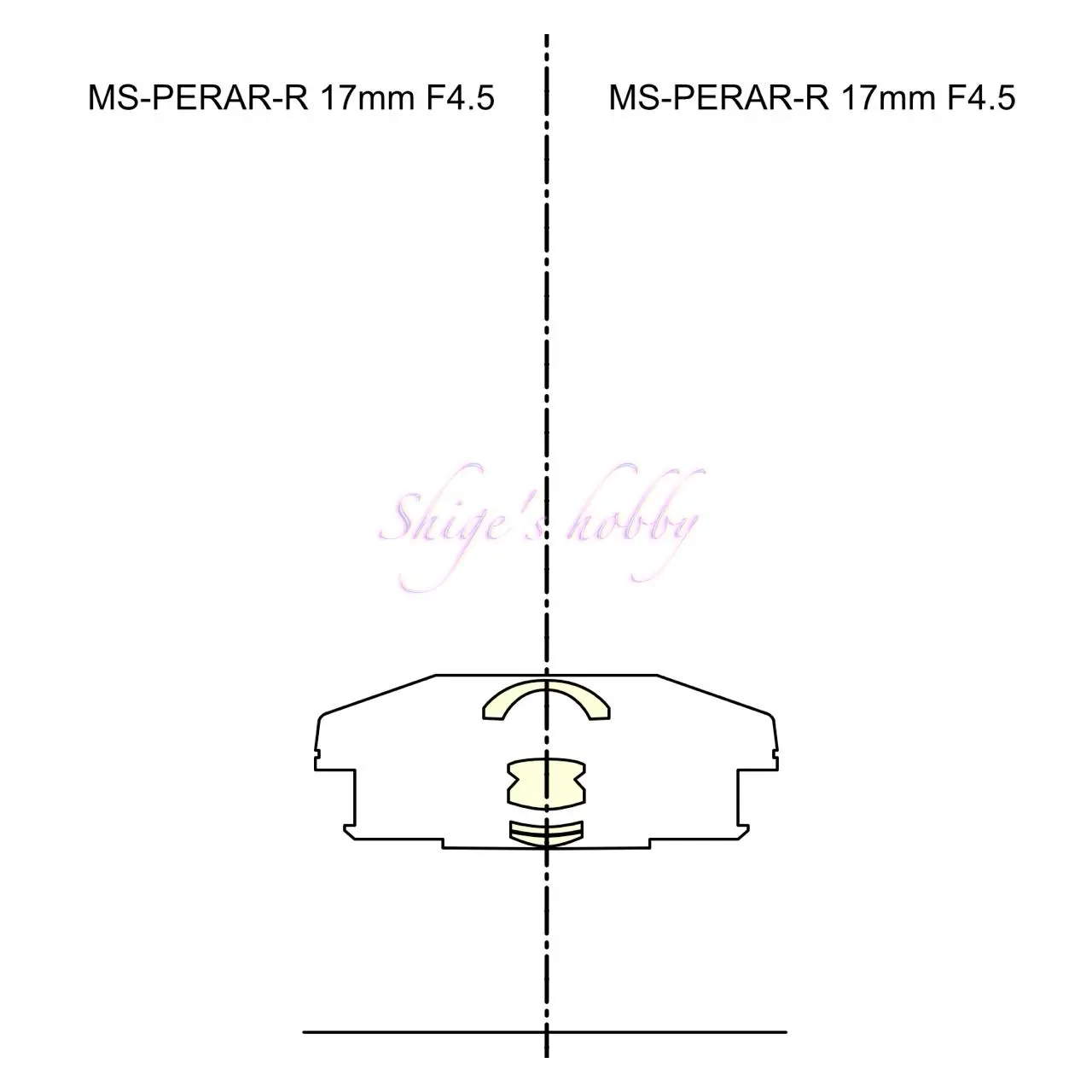
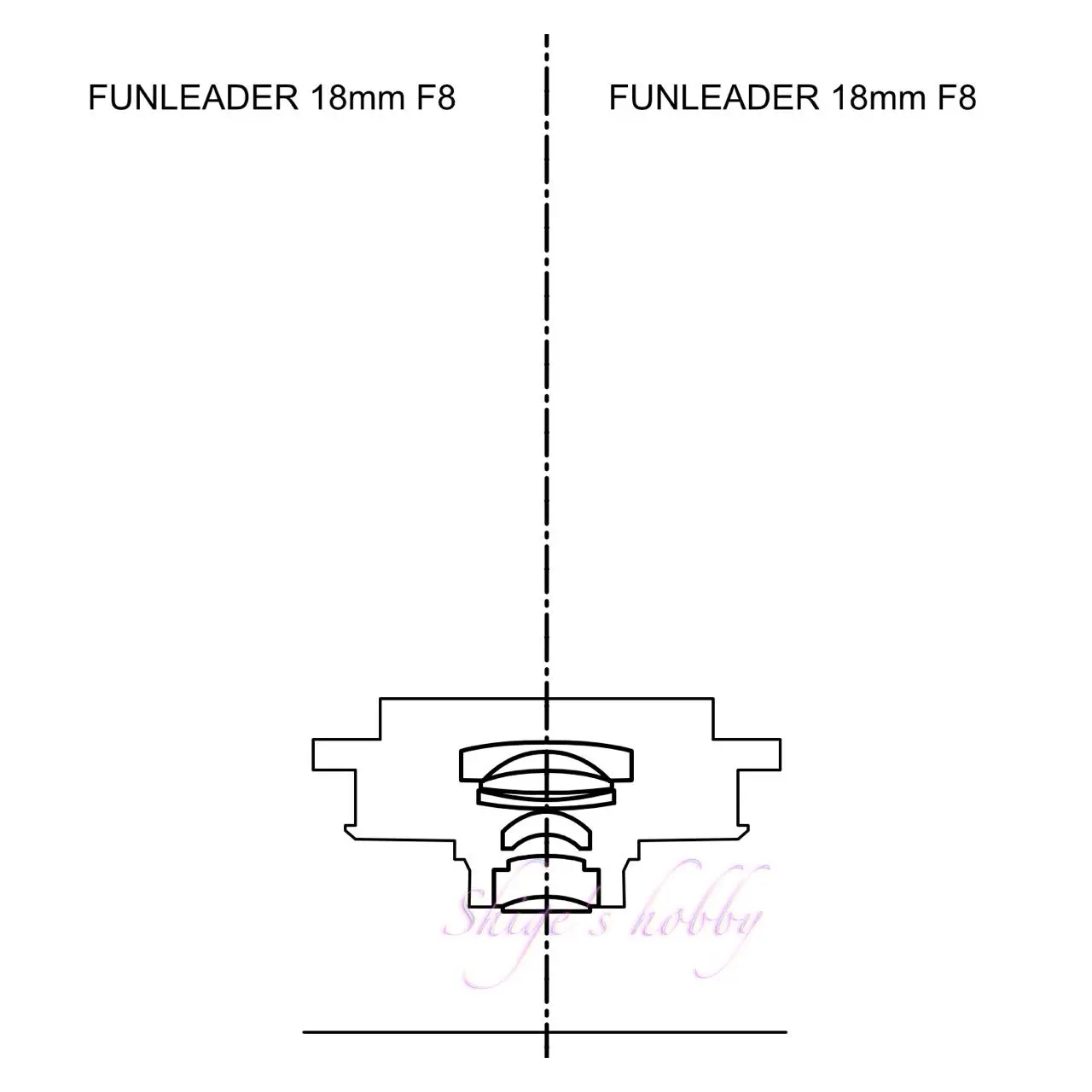
The diagrams are based on official data from each company, traced and cited accordingly.
| Item | HOLOGON | PERAR 17mm | FUNLEADER | HIPOLION |
| focal length(mm) | 16.5 | 17 | 18 | 19 |
| Maximum aperture | 8(fixed) | 4.5 | 8(固定) | 4 |
| Minimum aperture | 16(+Filter) | 22 | – | 16 |
| Leaf blade | – | 10 | – | 10 |
| Lens configuration | 5 groups in 3 elements | 4 groups in 4 elements | 5 groups in 6 elements | 2 groups in 2 elements |
| Minimum distance(m) | 0.3 | 0.3 | 0.45 | 0.5 |
| Lens length(mm) | 11 | 10.2 | 8.5 | 2.6 |
| Lens max diameter(mm) | 57 | 50 | 51 | 50 |
| Filter type | – Dedicated ND filter | – | – | 34 |
| Weight(g) | 120 | 60 | 40 | 27 |
| Hood | なし | Dedicated cylindrical screw type | – | – |
| Lens mount | CONTAX-G | LEICA_M | LEICA_M | LEICA_M |
| Release date | 1994 | 2017 | 2021 | 2020 |
| Price | ¥280,000 | -¥65,000 | ¥30,000 | -¥60,000 |
Reference links
- FUNLEADER18mm・Official page
- HOLOGON 16mm ・Shige’s hobby
- MS-PERAR 17mm ・Shige’s hobby
寄付のお願い・Request for donations
Affiliate links
- FUNLEADER・Ads by Amazon
- FUNLEADER18mm・Ads by Rakuten

Update history
- 2026.3.21
Be First to Comment